An AI automated waste sealing toilet system combines sensing, control software, and a sealed waste-handling unit. It is designed to manage waste with limited water and reduce contact with untreated material. The exact design varies. Some systems use sensors to identify use, control a sealing cycle, and monitor fill levels. Others include alerts for maintenance or faults. The phrase can describe different products, so specifications matter.
The idea connects with a wider sanitation challenge: a toilet must work reliably beyond a laboratory or showroom. Dr. Shannon Yee, a sanitation technology researcher at Georgia Tech, offers a relevant engineering perspective. A fair paraphrase of the principle reflected in his work is: “Sanitation systems must be dependable, usable, and maintainable in the places they serve.” This is a paraphrase, not a verified verbatim quotation. That distinction matters when evaluating technical claims.
Picture a compact unit in a remote clinic or a temporary worksite. A sensor detects use; a controlled mechanism seals waste in a replaceable liner or cartridge. The operator then checks a status light or service alert. Simple to describe. Harder to deliver consistently. Odor control, seal integrity, power needs, cleaning, and safe handling all require careful testing. Automation can help, but it does not remove the need for upkeep. Nor does an “AI” label prove that a system uses advanced learning; some products rely on basic sensors and programmed controls. This guide explains how these systems work, what their components do, and which performance claims deserve closer scrutiny.
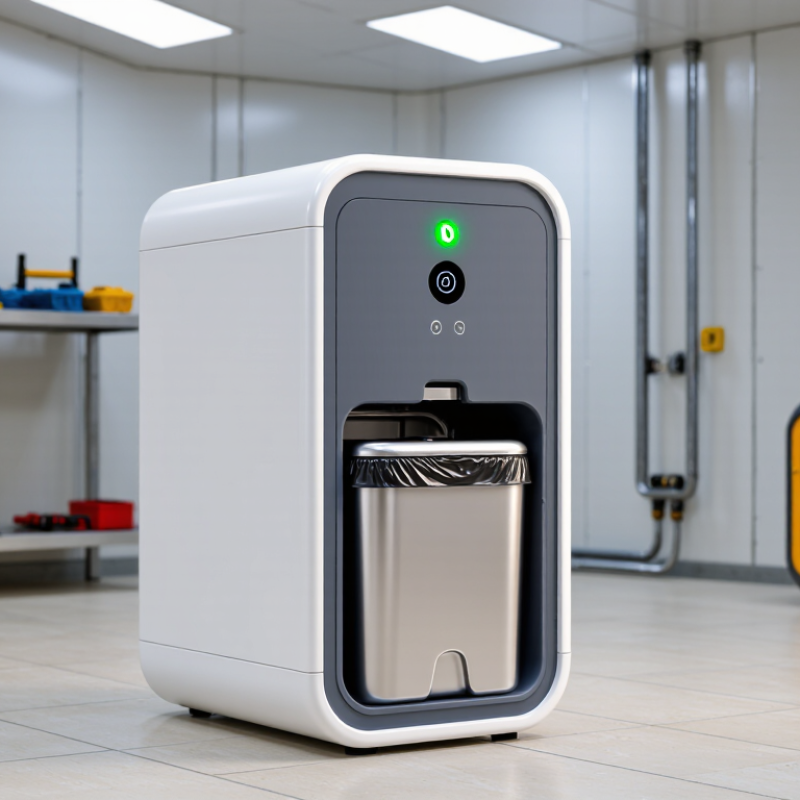
An AI automated waste-sealing toilet combines a toilet fixture with sensors, control software, and an enclosed waste-handling unit. It detects use, estimates chamber fill, and triggers a sealing cycle with minimal direct contact. Designs vary; “AI” may describe pattern recognition rather than human-like reasoning. That distinction matters.
Typical components include a presence sensor, controller, sealing gate or liner, and removable waste chamber. Some systems add odor filtration, leak detection, and service alerts. These parts can help contain waste, but they still depend on reliable power and regular maintenance. Dirty sensors can misread. WHO and UNICEF’s 2023 Joint Monitoring Programme reported that 3.5 billion people lacked safely managed sanitation in 2022. This is not a toilet-performance test; it highlights the importance of dependable containment and servicing.
Tips: Check the fill indicator at the recommended service interval, clean sensors as instructed, and confirm the seal after each cycle. If odors persist, check the ventilation and chamber seating. Don’t assume software fixes a mechanical problem.
It is a toilet system that uses sensors and a control unit to manage waste handling and activate a sealing mechanism. Common component classes include a user or use sensor, controller, waste chamber, sealing actuator, and sealed-waste container.
The numbers show a representative operating order, not time, performance, or measured data. Actual components and sequences vary by system design.
An AI automated waste-sealing toilet system uses sensors to track a collection cycle. A presence sensor can detect when someone approaches or leaves, while other sensors monitor the collection area, lid position, or liner movement. The exact setup varies. Sensors provide signals; software uses them to decide when the system is ready to act.
The cycle needs careful timing. After use, the system may move waste into a lined compartment, then close and seal the liner. AI-based control can compare sensor readings with expected patterns, such as whether the lid is shut or the liner has advanced. A small motor may turn a roll, while a heat-sealing element joins the liner edges. That timing matters. A seal made too early could trap material poorly; one made too late may allow odor to escape.
The neat diagram is not the whole story. Sensors can get dirty, liners can wrinkle, and a motor can stall. Not perfectly, though. A reliable design should detect unusual readings, pause the cycle, and show a clear alert rather than continue blindly. Routine cleaning and checking the liner path still matter. AI can help coordinate steps, but it does not replace sound mechanical design or user attention.
What Is an AI Automated Waste Sealing Toilet System?
Sealed-Waste Disposal in Context: 3.5 Billion Lack Safe Sanitation
The WHO/UNICEF Joint Monitoring Programme estimated that 3.5 billion people lacked safely managed sanitation in 2022. Its 2023 report defines this service as an improved, non-shared facility where waste is safely treated onsite or transported and treated elsewhere. That distinction matters. A clean-looking toilet does not guarantee safe waste disposal.
An AI-enabled waste-sealing toilet may use sensors to monitor use, detect faults, or signal when a sealed container needs servicing. Sealing can reduce spills and direct contact during temporary storage. Picture a compact service room: a closed container, a level alert, and a worker following a clear handling routine. Useful, but not magic. Sensors do not treat waste, and sealed containers still need safe collection, transport, and treatment.
The global estimate shows the scale, not the right design for every community. Reliable water, power, cleaning, and trained maintenance all affect performance. A power outage or missed collection can undermine the system. That is the uncomfortable part. Buyers should ask where the waste goes, how often units are serviced, and what happens when an alert fails. These details connect product performance to public-health outcomes; “AI” alone is not evidence of safety.
An AI automated waste-sealing toilet may use sensors and controls to contain waste and manage treatment without a sewer connection. An automatic sealing cycle can reduce contact, but it does not prove safe operation. ISO 30500:2018 provides a relevant benchmark for non-sewered sanitation systems, including safety, performance, and test methods. Its relevance depends on the complete system and its intended use. It does not validate an “AI” label on its own.
Reviewers should look for documented testing of the system’s relevant safety and performance features. Depending on its design, that may include waste containment, leakage risks, electrical safety, and treatment performance. Check the test conditions, not just a claimed pass. A controlled test is not the whole story. Field use varies.
Sensor drift, power loss, a full waste container, or inconsistent cleaning can affect performance. Check whether the system provides clear alarms, safe fallback behavior, and practical maintenance instructions. Test evidence should match the installed configuration and expected use. One question can remain: how reliably will the system perform after months of daily operation? That uncertainty deserves careful attention.
An AI-automated waste-sealing toilet needs careful installation before its sensors and sealing cycle can work reliably. Check the floor is level, the drain connection is secure, and service panels remain easy to reach. Leave enough clearance to inspect the seal and remove components without moving the whole unit. Follow the system’s installation instructions, and have a qualified plumbing professional verify water and waste connections. A tight fit is not always a good fit. Pinched wiring or a misaligned seal can cause faults that look like software problems.
Maintenance should focus on the parts that contain waste and guide each cycle. Inspect seals, hinges, sensors, and accessible tubing for residue, wear, or moisture. Clean only with materials approved for the unit; harsh chemicals may damage sealing surfaces. Set a routine based on actual use and the manufacturer’s service guidance, then record what was checked and when. The schedule may feel excessive at first, but missed inspections can make small leaks harder to spot.
Monitoring should combine system alerts with direct checks. Review cycle logs for repeated retries, unusual delays, or sensor errors, and investigate changes rather than simply resetting the system. Check the surrounding floor for dampness and note unfamiliar odors. Keep a basic maintenance log, including replaced seals and recurring alarms. Remote status is useful, but it cannot confirm that a physical seal is clean and seated correctly. That gap deserves attention.
Presence sensors detect approach or departure. Other sensors may check the lid, collection area, or liner movement.
Waste moves into a lined compartment. A motor advances the liner, and a heat-sealing element joins its edges. Timing matters.
Software compares sensor readings with expected conditions, such as a closed lid or correctly advanced liner. It coordinates steps but cannot fix poor mechanical design.
Dirt on sensors, a wrinkled liner, or a stalled motor can interrupt the cycle. The neat diagram can mislead.
It should pause and show a clear alert instead of continuing blindly. This may not always work as intended.
No. Sealing can reduce contact, but it does not establish safe operation or treatment performance.
It offers benchmarks for safety, performance, and testing of non-sewered sanitation systems. It does not validate an AI label by itself.
Look for documented tests covering relevant features, such as containment, leakage, electrical safety, and treatment performance. Check test conditions and the installed configuration.
Follow cleaning and liner-path checks. Review alarms, fallback behavior, and maintenance instructions. Power loss or a full container can affect performance.
Sensor drift and inconsistent cleaning may matter after months of operation. Some uncertainty remains.
An AI automated waste sealing toilet system is a sanitation solution that uses sensors, automated controls, and a sealed collection unit to manage human waste. Sensors detect use and monitor key conditions, while AI helps coordinate each collection and sealing cycle. The system is designed to contain waste securely, reduce direct handling, and support cleaner operation, particularly where conventional sewer infrastructure is unavailable.
Sealed-waste disposal is important in a world where an estimated 3.5 billion people lack safely managed sanitation. Safe and dependable operation depends on appropriate design, testing, and performance checks, with ISO 30500:2018 offering relevant benchmarks for non-sewered sanitation systems. Installation should account for site conditions and safe access, while routine maintenance can include inspecting sensors, seals, and collection components. Ongoing monitoring helps identify performance issues early and supports reliable sanitation over time.