China Best AI Predictive Maintenance Toilet Grinder Pump?

Time:2026-09-17 Author:Oliver
0%

China’s best AI predictive maintenance toilet grinder pump should be judged by evidence, not marketing language. In compact commercial buildings, these pumps face demanding cycles: sudden inflow, fibrous waste, motor heating, and repeated starts. A blocked cutter can turn a quiet utility room into an urgent maintenance call.

The phrase AI predictive maintenance for toilet grinder pump describes a practical system, not a futuristic label. Sensors can monitor motor current, vibration, temperature, run time, and discharge pressure. The controller then compares new readings with normal operating patterns. Small changes matter. A rising current curve may indicate cutter wear. Irregular vibration may suggest an emerging blockage.

McKinsey’s Maintenance 4.0 research reports that predictive maintenance can reduce machine downtime by 30–50% and maintenance costs by 10–40%, depending on asset conditions and implementation quality. These figures are broad industry estimates, not guaranteed pump results. The U.S. Department of Energy also identifies pumping systems as important energy-management targets, because inefficient operation increases both power consumption and mechanical stress.

China-based manufacturers increasingly combine cloud dashboards, edge controllers, and mobile alarms. Yet product quality varies. Sensor accuracy, waterproofing, alarm logic, spare-parts access, and service response deserve equal attention. A cheaper unit may record data without producing useful warnings. That weakness is easy to overlook.

Field experience still matters. AI cannot replace inspection, correct installation, or scheduled cleaning. Nor can it predict every foreign object. The strongest selection balances grinder design, motor protection, diagnostic transparency, cybersecurity, and verified service records. Test the warning system under realistic load conditions. Then question the results. Data can be incomplete. That is the honest starting point.
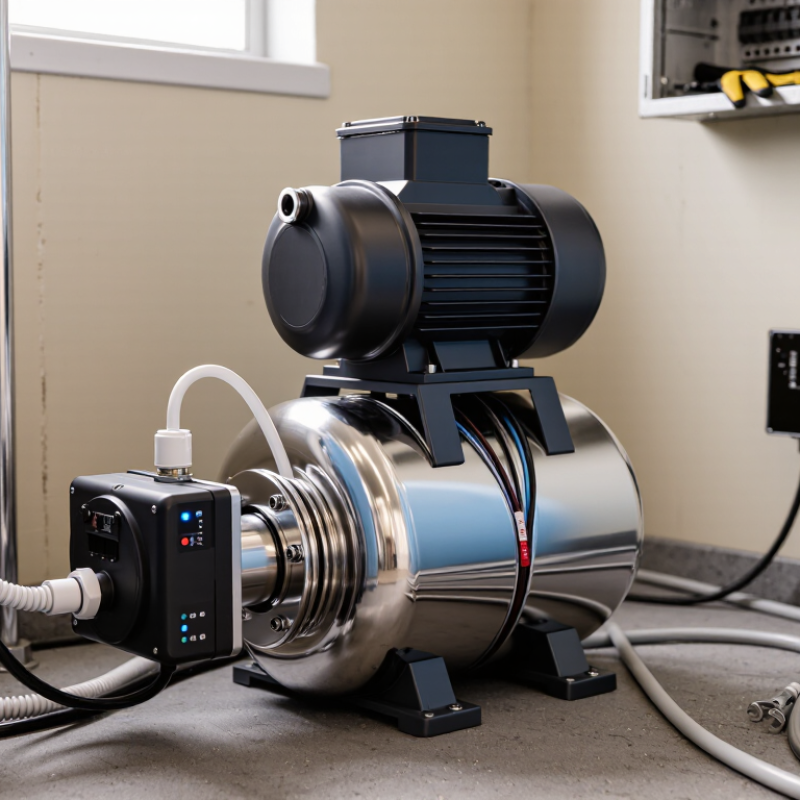
China Best AI Predictive Maintenance Toilet Grinder Pump?

What Is an AI Predictive Maintenance Toilet Grinder Pump?

An AI predictive maintenance toilet grinder pump uses sensors and software to detect problems before failure occurs. It monitors motor current, vibration, operating cycles, discharge pressure, and water levels. These signals reveal changes that ordinary inspections may miss.

For example, rising motor current can suggest a partial blockage or a worn cutting mechanism. Unusual vibration may indicate bearing damage or mounting problems.

The system compares current readings with historical operating patterns. It then sends an alert when behavior becomes abnormal.

The technology works best with accurate installation data and regular maintenance records. A technician should confirm sensor placement, test alarm settings, and inspect the pump physically.

AI supports decisions. It does not replace professional judgment. False alarms can happen, especially after heavy usage or sudden changes in wastewater flow. That is an important weakness. Staff should verify the warning before replacing parts.

In practical use, a dashboard might show increased start frequency during one week. This could signal inflow changes, a leaking valve, or an obstruction. Recording the repair helps the system learn from that event.

Clean sensor connections matter too. Small installation errors can produce misleading predictions.

How AI Predictive Maintenance Works in Toilet Grinder Pumps

AI predictive maintenance in a toilet grinder pump begins with data, not guesswork. Small sensors can track motor current, vibration, temperature, starts, and running time. A controller sends readings to a local gateway or secure monitoring platform. Software compares each new cycle with the pump’s normal operating pattern. A rising current may indicate a dull cutter, partial blockage, or thick waste. Extra vibration can suggest bearing wear or an unbalanced rotating assembly. Temperature changes matter too. A healthy pump should not feel unusually hot after a short cycle. In field checks, these clues often appear before complete failure.

The model learns from repeated cycles and assigns a changing risk level. It can recommend cleaning, inspection, or planned replacement before wastewater backs up. Good systems show the reason for an alert, not only a red warning. Technicians can then check the inlet, cutter, non-return valve, and electrical connections. AI is helpful, but it is not magic. False alarms happen. Poor sensor placement, missing service records, or unusual household usage can confuse the model. That part needs honest review. A technician should confirm the condition onsite before authorizing repairs. Smaller installations may lack enough historical data for reliable predictions. In those cases, rule-based thresholds and regular inspection remain practical. After each visit, the technician records the alarm, inspection result, and corrective action.

China Best AI Predictive Maintenance Toilet Grinder Pump? - How AI Predictive Maintenance Works in Toilet Grinder Pumps

Technical data framework for AI-enabled monitoring and predictive maintenance of toilet grinder pump systems

Data Category Monitoring Dimension Typical Operating Data or Threshold AI Predictive Maintenance Function Maintenance Response
Pump Performance Flow rate Common small sewage grinder pump range: approximately 40–100 L/min, depending on pump size, head, pipe diameter, and discharge layout. Establishes a normal flow profile and identifies gradual flow reduction caused by clogging, valve restriction, pipe blockage, or impeller wear. Inspect the discharge line, check valves, inlet condition, and grinder assembly before a complete loss of pumping capacity occurs.
Pump Performance Discharge pressure or total dynamic head Many residential applications operate within approximately 5–30 m of total head; the actual value depends on the installation. Compares pressure, flow, and motor load to detect hydraulic inefficiency and abnormal resistance in the discharge system. Verify pipe routing, elevation, check-valve operation, and possible downstream obstruction.
Motor Health Motor current A stable current pattern is expected during comparable pumping cycles. Sustained current above the learned baseline may indicate overload or mechanical resistance. Uses current signatures to distinguish normal startup, cutting, pumping, obstruction, and locked-rotor conditions. Check for foreign objects, excessive solids, cutter resistance, low voltage, or bearing problems. Disconnect power before inspection.
Motor Health Voltage quality The supply should remain within the tolerance specified for the installed motor. Repeated undervoltage or phase imbalance can increase heating and reduce torque. Correlates voltage events with current spikes, failed starts, and thermal stress to separate electrical faults from hydraulic faults. Inspect the circuit, terminals, protective devices, cable size, and power quality.
Thermal Condition Motor temperature Temperature should remain below the motor protection limit and return toward normal after a pumping cycle. Rapid temperature rise is abnormal. Calculates thermal loading from temperature trend, runtime, current, and start frequency to estimate overheating risk. Allow cooling, investigate repeated cycling, confirm adequate ventilation, and test overload protection.
Mechanical Condition Vibration level The normal vibration signature is installation-specific. A persistent increase from the learned baseline is more meaningful than a single reading. Detects imbalance, bearing wear, loose mounting, cavitation-like hydraulic behavior, and cutter or impeller damage through pattern changes. Check mounting bolts, alignment, bearings, impeller or cutter condition, and inlet flow conditions.
Cutting System Cutting-cycle duration A healthy grinder normally completes comparable waste-handling cycles within a consistent time range for the installation. Identifies increasing cutting time, repeated reverse or stall events, and abnormal current signatures associated with partial blockage. Inspect the cutter chamber and remove unsuitable materials such as wipes, textiles, hard objects, or excessive debris.
Hydraulic Condition Flow-to-current relationship For the same operating condition, reduced flow combined with higher current is a strong abnormal pattern. Uses multivariable analysis to distinguish a restricted discharge path from normal changes in wastewater volume. Examine the discharge pipe, check valve, isolation valve, and fittings for restriction or incorrect installation.
System Usage Start frequency and runtime The normal pattern depends on occupancy, fixture usage, tank volume, and control settings. Frequent starts with short runtimes may indicate a control issue. Detects short-cycling, excessive demand, level-control problems, leakage into the tank, and abnormal inflow. Inspect float or level sensors, inlet fixtures, non-return valves, and possible continuous water inflow.
Leak and Level Control Tank level and pump-down time The level should rise during inflow and fall after pump activation. A slower-than-usual pump-down trend indicates reduced capacity. Combines level trajectory with flow, current, and runtime to identify declining pump performance before an overflow event. Check the pump inlet, level sensor, discharge route, and pump hydraulic performance.
Electrical Protection Trip and alarm history Repeated overload, thermal, leakage, or high-level alarms should be treated as a developing fault rather than isolated events. Groups related alarms by time and operating condition to reduce nuisance alerts and identify recurring failure patterns. Review the event sequence, test the relevant protection device, and correct the underlying mechanical or electrical cause.
AI Model Anomaly score The model learns the pump's own baseline from operating data. A rising score indicates increasing deviation, not a guaranteed component failure. Combines sensor trends and operating context to rank abnormal behavior and prioritize inspection. Confirm the alert with physical checks before replacing parts or changing system settings.
AI Model Remaining useful life estimate An estimate should be presented as a risk range or confidence interval because pump load, usage, and failure modes vary significantly. Uses historical degradation patterns, runtime, thermal exposure, vibration, and alarm history to forecast maintenance urgency. Schedule planned maintenance when risk is rising, while continuing immediate intervention for safety or overflow alarms.
Maintenance Outcome Recommended maintenance interval Inspection frequency should be based on duty cycle, wastewater characteristics, installation conditions, and manufacturer requirements rather than a universal fixed interval. Adjusts inspection priority according to actual operating severity and detected degradation. Combine AI recommendations with electrical safety procedures, sanitation requirements, and qualified technician judgment.

Data interpretation: Operating ranges are representative engineering references for small toilet grinder pump installations. Actual limits must be verified against the installed pump, motor rating, control panel, pipework, local electrical code, and site conditions.

Key Components and Sensors Used for Condition Monitoring

An AI predictive maintenance toilet grinder pump depends on clean signals from ordinary mechanical parts. In field inspections, the cutter assembly, motor, impeller, seals, bearings, and check valve deserve close attention. These components reveal wear before a blockage becomes a service call. Small changes matter. A rising motor current may indicate dull cutters, fibrous debris, or restricted discharge flow. Temperature sensors on the motor housing can expose overloaded operation and poor ventilation. Pressure and flow sensors help separate a blocked pipe from a weak impeller.

A float or ultrasonic level sensor tracks how quickly the chamber empties after flushing. Repeated high levels often signal a developing restriction, even when the pump still runs. Vibration sensing adds another useful layer. Unbalanced rotating parts create a distinct pattern near the bearing or cutter shaft. An acoustic sensor may detect grinding changes, but bathrooms are noisy environments. Water splashes, ventilation fans, and loose covers can confuse the model. That limitation is easy to underestimate.

Reliable condition monitoring combines sensor trends with maintenance records, runtime, starts, alarm history, and technician observations. An edge controller can compare current readings with the pump’s normal operating signature. It should flag gradual drift, not react to one unusual flush. Data quality comes first. Poor sensor placement creates confident but incorrect predictions. Calibration also matters. In practice, I would inspect a warning before replacing a part, because a blocked discharge line can imitate motor failure. Some failures remain unpredictable. That is why visual checks and safe cleaning procedures still belong beside AI monitoring.

Benefits and Limitations of AI-Enabled Grinder Pump Maintenance

China Best AI Predictive Maintenance Toilet Grinder Pump?

AI-enabled maintenance can help grinder pumps detect trouble before wastewater backs up. Sensors may track motor current, vibration, temperature, running time, and start frequency. A sudden current increase can suggest a dull cutter, partial blockage, or unusual resistance. Maintenance staff can then inspect the pump during a planned service window.

This reduces emergency callouts and may protect floors, walls, and electrical equipment from overflow damage. It can also improve spare-parts planning. In busy apartment buildings, a dashboard can highlight pumps with repeated long cycles or frequent starts. That information is more useful than relying only on a fixed calendar. The details matter.

However, AI does not understand every pump-room condition. Grease, moisture, poor sensor placement, and unstable connections can distort readings. A model may issue a false alarm. It may also miss a problem when historical data is limited. These weaknesses deserve attention, not marketing language. Technicians should verify alerts through noise checks, insulation tests, visual inspection, and flow testing. Manual records still matter.

Installation quality affects results. Data should be protected, access should be controlled, and alerts should reach trained personnel. A qualified technician must define safe shutdown procedures and maintenance limits. AI can support judgment, but it cannot replace cleaning, cutter inspection, or compliance checks. Some predictions will be wrong. That is normal. Teams should review those mistakes and adjust thresholds carefully.

China Best AI Predictive Maintenance Toilet Grinder Pump? Benefits and Limitations of AI-Enabled Grinder Pump Maintenance

Industry-reported predictive-maintenance ranges indicate potential reductions in unplanned downtime and maintenance costs, although results depend on sensor quality, pump operating conditions, data volume, and system integration.

The displayed values use the midpoint of commonly reported industry ranges: 35–45% lower downtime, 25–30% lower maintenance costs, 70–75% fewer breakdowns, and 20–25% higher productivity. These figures are general predictive-maintenance benchmarks and are not brand-specific or guaranteed for every grinder pump installation.

Key limitations include false alarms, incomplete failure data, sensor fouling, connectivity requirements, cybersecurity exposure, and the need for qualified personnel to validate AI recommendations.

How to Select and Maintain the Best AI Grinder Pump System

Selecting the best AI toilet grinder pump system starts with the wastewater, not the software. Measure flow rate, discharge head, pipe length, and solids content during peak use. Choose a cutter and motor with enough reserve capacity. Undersizing creates heat, clogging, and repeated starts. It looks efficient on paper.

AI adds value when sensors collect reliable data. Monitor motor current, vibration, temperature, run time, and restart frequency. McKinsey reports that predictive maintenance can reduce downtime by 30–50% and maintenance costs by 10–40%. These figures are potential results, not promises. A 2023 International Society of Automation report also stresses sensor quality, secure data handling, and clear alarm logic. Select a system with local alerts, historical trends, manual override, and easy sensor replacement.

Maintenance remains physical work. Inspect the inlet, cutter chamber, check valve, and discharge line during scheduled servicing. Remove fibrous material before it becomes a blockage. Test high-level alarms and backup power. Review current spikes after every service visit. The AI may identify a pattern, but it cannot always explain a wet connector or a damaged impeller. I have seen maintenance teams trust dashboards too quickly. That mistake is expensive. Keep a simple log with dates, noise changes, odors, vibration, and repair actions. Clean data improves predictions. Dirty data misleads them.

FAQS

What can AI-enabled maintenance detect in a grinder pump?

Sensors can track motor current, vibration, temperature, running time, and restart frequency. A sudden current increase may indicate blockage or cutter wear.

How can predictive maintenance reduce emergency problems?

It can identify repeated long cycles before wastewater backs up. Technicians may then inspect the pump during a planned service window.

What damage might early detection help prevent?

Early action may protect floors, walls, and nearby electrical equipment from overflow damage. It can also improve spare-parts planning.

Can AI alarms always identify the exact fault?

No. Grease, moisture, poor sensor placement, or unstable connections can distort readings. Some predictions fail. That is normal.

How should technicians verify an AI warning?

They should check unusual noise, insulation condition, visible damage, and water flow. Manual records still matter.

What information should be checked before selecting a system?

Measure flow rate, discharge head, pipe length, and solids content during peak use. An undersized pump may overheat and restart repeatedly.

Which features make an AI maintenance system more practical?

Useful features include local alerts, historical trends, manual override, and replaceable sensors. Alerts should reach trained personnel, not just a remote dashboard.

What physical maintenance does AI still require?

Technicians must inspect the inlet, cutter chamber, check valve, and discharge line. They should remove fibrous material before it forms a blockage.

How can teams improve prediction accuracy over time?

Keep a simple log of dates, odors, vibration, noise changes, and repairs. Review incorrect alerts and adjust thresholds carefully. Clean data helps.

Conclusion

An AI predictive maintenance for toilet grinder pump system uses sensors, data analysis, and intelligent alerts to monitor pump performance before a failure occurs. By tracking motor current, vibration, temperature, pressure, flow, operating cycles, and blockage patterns, the system can identify unusual conditions and estimate when servicing may be needed. This approach helps facility operators move from reactive repairs to planned maintenance, reducing unexpected downtime, emergency callouts, energy waste, and the risk of overflow.

However, AI-enabled maintenance is not a complete replacement for professional inspection. Sensor accuracy, data quality, network reliability, installation conditions, and system compatibility all affect performance. When selecting the best grinder pump system, users should consider wastewater capacity, cutting performance, sensor coverage, remote monitoring functions, alarm options, maintenance access, and total operating cost. Regular cleaning, inspection, testing, and timely replacement of worn components remain essential to keep the pump reliable and extend its service life.


Oliver

Oliver

Oliver is a seasoned marketing professional with a wealth of expertise in driving brand awareness and engagement. With a deep understanding of our company's product offerings, he consistently delivers high-quality content that enriches our professional blog. His insights not only shed light on......