How to Choose an AI Smart Mobile Toilet for Elderly Care?

Time:2026-10-12 Author:Ethan
0%

Choosing an AI smart mobile toilet for elderly care is a practical decision, not a technology contest. The World Health Organization’s Decade of Healthy Ageing Baseline Report states that one in six people worldwide will be aged 60 or older by 2030. By 2050, the global population aged 60 and above will reach approximately 2.1 billion. These figures make safer, more adaptable daily-care equipment increasingly important.

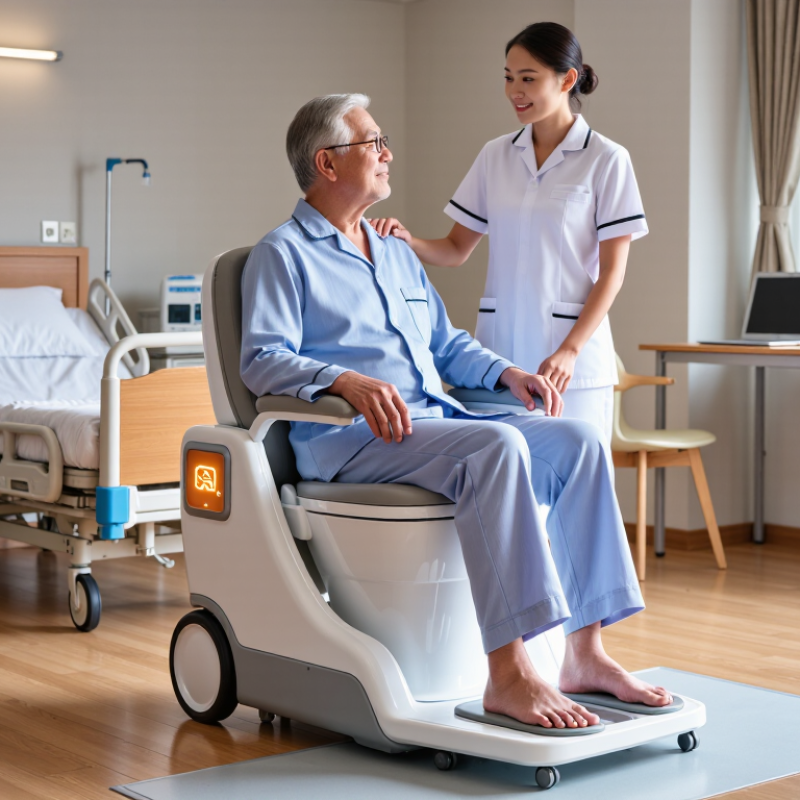
A suitable unit should support dignity, stability, hygiene, and quick caregiver response. Look for a wide, non-slip base, lockable wheels, adjustable height, easy-clean surfaces, and a warm, clearly visible control panel. Sensors may detect occupancy, unusual inactivity, moisture, or nighttime use. However, artificial intelligence should assist care, not replace human judgment. False alerts can happen. Privacy settings, local data storage, emergency controls, and transparent maintenance records deserve equal attention.

Dr. Joseph Coughlin, director of the MIT AgeLab, has said, “The goal is not to make old people young, but to make old age better.” This principle fits the product choice closely. A reliable AI smart mobile toilet for elderly care should reduce awkward transfers without making users feel monitored or powerless. Caregivers should test it beside the bed, across a narrow hallway, and during cleaning. Small failures matter. A noisy pump, weak brake, or confusing alert can quickly undermine trust. Product brochures often sound perfect; real homes are not. WHO guidance on person-centred care supports evaluating comfort, autonomy, safety, and caregiver workload together, rather than choosing features in isolation.

How to Choose an AI Smart Mobile Toilet for Elderly Care?

Assess the Elderly User’s Mobility, Health, and Toileting Needs

Choosing an AI smart mobile toilet should begin with the person, not the device. Assess whether the older user walks independently, uses a walker, or needs two-person assistance. The CDC reports that more than one in four adults aged 65 and older falls each year. Therefore, check wheel locks, seat stability, transfer height, and turning space beside the bed. A user with weak knees may need powered height adjustment. Someone with limited hand strength may struggle with small controls. Test the toilet during a real transfer, not only during a product demonstration.

Health needs also shape the decision. Record urgency, nighttime toileting, constipation, incontinence, and post-surgery restrictions. The WHO World Report on Ageing and Health identifies functional ability as central to healthy ageing, rather than age alone. AI sensors can monitor sitting time, weight changes, unusual nighttime visits, or possible falls. However, these signals are not medical diagnoses. False alerts can disturb sleep, while missed alerts can create dangerous confidence. Privacy settings, consent, simple voice prompts, and readable displays deserve equal attention. Keep cleaning access practical, especially when skin sensitivity or infection risk is present. I would also ask a caregiver to observe three ordinary toilet visits. The first visit may hide fatigue. Real use exposes the flaws.

How to Choose an AI Smart Mobile Toilet for Elderly Care?

Assess the Elderly User’s Mobility, Health, and Toileting Needs

This practical screening framework uses a 0–10 priority score to compare the main selection factors. Higher scores indicate that the feature should receive greater attention when choosing an AI smart mobile toilet. Mobility support, hygiene assistance, fall prevention, transfer safety, and emergency communication are especially important for users with limited independence. The scores are for care planning and should not replace professional medical assessment.

Compare AI Features for Monitoring, Assistance, and Emergency Alerts

Choosing an AI smart mobile toilet for elderly care requires more than checking its toilet functions. The monitoring system matters most.

The World Health Organization reports that falls cause about 684,000 deaths annually, with adults over 60 facing the greatest risk. Its Falls fact sheet also estimates that 37.3 million falls require medical attention each year. These figures support continuous, discreet monitoring near the bed or bathroom. Look for sensors that identify sitting, standing, unusual inactivity, and repeated night visits. Motion data should be processed carefully, not treated as a medical diagnosis.

Assistance features should include stable armrests, adjustable height, easy-clean surfaces, and gentle voice prompts. A strong system can remind users to sit safely or request help without requiring a phone.

Emergency alerts should reach caregivers quickly through several channels. The alert should show the event, location, and time.

The Centers for Disease Control and Prevention says more than one in four older adults falls each year, while fewer than half report the incident. Quiet accidents remain a serious concern.

Do not trust impressive artificial intelligence claims alone. Ask how the system handles false alarms, power loss, weak internet, and privacy. I would test alerts at night, when confusion is more likely. No alert system is perfect. Caregivers still need a response plan, regular cleaning checks, and direct contact with the user. A pilot period of two to four weeks can reveal uncomfortable seating, missed alerts, or confusing instructions before purchase.

Evaluate Safety, Accessibility, Comfort, and Ease of Use

How to Choose an AI Smart Mobile Toilet for Elderly Care?

Safety should guide every feature. The CDC reports that more than one in four adults aged 65 and older falls each year. Choose a mobile toilet with a low center of gravity, locking casters, wide armrests, and non-slip footrests. Sensors should detect unusual movement and alert caregivers, but manual controls must remain available. AI can misread a transfer. Power can fail. Test the emergency release in daylight and at night.

Accessibility means less reaching, twisting, and lifting. Check whether the seat height matches the user’s wheelchair and leg strength. A clear transfer path matters more than a decorative screen. The WHO and UNICEF Global Report on Assistive Technology estimates that 2.5 billion people need assistive products worldwide. This supports practical, adaptable design. Look for adjustable supports and simple voice or button commands. Keep instructions visible.

Comfort affects whether the toilet is actually used. A stable seat, warm surface, quiet flushing, and easy-clean materials can reduce anxiety. Privacy also matters. Data collection should be limited, clearly explained, and protected. Caregivers should inspect the toilet with the older person, not only read specifications. Ask the user to operate it alone. Observe hesitation. That small pause may reveal a serious design problem.

How to Choose an AI Smart Mobile Toilet for Elderly Care? - Evaluate Safety, Accessibility, Comfort, and Ease of Use

Evaluation Area Key Specification or Feature Recommended Target Why It Matters for Elderly Care How to Verify Before Purchase
Safety Stable frame and anti-tip design Wide, level base; locking casters; no rocking during transfers Reduces the risk of falls when sitting down, standing up, or turning Apply forward, sideways, and rotational pressure during an in-person stability test
Load capacity Rated capacity should exceed the user’s weight with a reasonable safety margin Provides structural safety and supports assisted transfers Check the tested user-weight limit, not only the marketing description; confirm applicable local safety certification
Emergency alert and manual override Large, reachable emergency button; audible and visual alerts; manual operation during power or network loss Maintains access to help when the user is weak, confused, or unable to use an app Test the alert from the seated position and disconnect power or Wi-Fi to confirm fallback operation
Slip, pinch, and burn protection Non-slip surfaces, covered moving parts, temperature-limited heated components Helps protect users with reduced balance, sensation, or reaction speed Inspect footrests, hinges, lids, heating surfaces, and floor contact points
Water and electrical protection Clearly stated ingress protection and safe cable routing; grounded or low-voltage components where appropriate Reduces hazards in a wet bathroom environment Request the electrical safety documentation and follow local installation requirements
Accessibility Seat height Approximately 17–19 inches (430–485 mm) for many users; adjustable height is preferable A suitable height can reduce knee and hip strain during transfers Measure from the floor to the top of the seat and compare it with the user’s knee height
Transfer clearance and approach space Clear approach from the user’s strongest transfer side; allow space for a walker or wheelchair where required Makes independent or assisted transfers safer and more predictable Use the actual bathroom layout and measure door width, turning space, and transfer clearance
Support rails and armrests Firm, non-slip armrests or compatible grab-bar support at a comfortable reach Provides stable hand support without forcing the user to pull on the seat or controls Check grip diameter, height, spacing, and whether the supports are load-rated
Mobility and wheel control Smooth movement over the intended floor surface; reliable wheel locks; manageable weight for caregivers Supports repositioning while preventing unintended movement during use Test on tile, thresholds, ramps, and other surfaces found in the care environment
Control accessibility Large, high-contrast buttons with tactile feedback; voice control should be optional, not the only method Accommodates low vision, tremor, hearing loss, and limited digital skills Ask the user to operate every essential function without a smartphone
Comfort Seat ergonomics Contoured, pressure-distributing seat with a stable back and arm support Improves tolerance for longer use and may reduce discomfort from pressure points Have the intended user sit for several minutes and check posture, thigh pressure, and stability
Temperature and hygiene functions Adjustable seat temperature, controlled warm-water wash where fitted, and a hygienic drying option Can improve comfort and reduce the physical effort needed for personal hygiene Confirm temperature limits, adjustment range, cleaning instructions, and replacement parts
Noise and nighttime visibility Quiet operation, soft-close components, and low-glare pathway lighting Reduces sleep disruption and improves orientation during nighttime visits Operate all pumps, fans, alerts, and lights in a quiet room or at night
Odor and cleaning management Sealed waste container, easy-to-remove components, smooth non-porous surfaces, and accessible cleaning points Improves dignity, infection-control routines, and caregiver acceptance Inspect the waste-removal process and verify that no tools are needed for routine cleaning
Ease of Use and AI Functionality Simple daily operation Essential functions usable in three steps or fewer, with clear icons and confirmation feedback Reduces confusion and dependence on caregivers Conduct a first-use test with the intended user and observe whether assistance is needed
Useful AI monitoring Optional detection of prolonged sitting, unusual inactivity, or possible falls, with configurable caregiver alerts May support timely assistance without requiring continuous observation Request documented accuracy, false-alert handling, alert-delivery tests, and clear limitations; AI alerts must not replace supervision
Privacy and data control No unnecessary camera use; explicit consent; user-controlled data retention, access, and deletion Protects dignity and sensitive health-related information Read the privacy policy, ask where data is stored, and disable non-essential data collection
Connectivity and failure handling Local basic controls remain available during Wi-Fi, app, cloud, or power interruptions Prevents technology failure from disabling essential toilet functions Test offline use, battery backup if provided, restart behavior, and manual emergency operation
Caregiver maintenance Tool-free routine cleaning, clear error messages, replaceable consumables, and accessible technical support Reduces downtime and the workload required for safe daily care Review the maintenance schedule, consumable costs, warranty terms, and service response process
Selection rule: Choose safety, accessibility, and reliable manual operation first. Treat AI monitoring as a supplementary care feature, and confirm that the user can operate the essential functions comfortably in the actual bathroom environment.

Review Hygiene Systems, Maintenance, Privacy, and Data Security

How to Choose an AI Smart Mobile Toilet for Elderly Care?

When assessing an AI smart mobile toilet, inspect hygiene features during a real care routine. Look for smooth, sealed surfaces that staff can wipe without removing complicated parts. Cleanability matters more than a long feature list. Check whether the bowl, seat, and waste container resist odors and leaks. A clear cleaning indicator can help, but staff should still follow a regular sanitation schedule. Small details matter.

Maintenance should suit the caregiver’s workload. The system needs accessible filters, replaceable supplies, and simple error alerts. Staff should understand these alerts without technical training. I would also test battery performance during movement and overnight use. No sensor is perfect. False alerts can disturb sleep or create unnecessary work. A short trial with actual residents may reveal problems that a showroom demonstration hides.

Privacy begins with physical design. Choose a toilet that supports dignity through stable positioning, quiet operation, and optional screens or alerts. Cameras should not be necessary for basic toileting assistance. If sensors collect movement or health-related data, ask how it is encrypted, stored, shared, and deleted. Use individual staff accounts, strong access controls, and documented software updates. Data logs should show who viewed information and when. Ask what happens after a security incident. Vague answers deserve caution. Reliability includes honest limits, not just intelligent functions.

Select, Install, and Test the Most Suitable Smart Mobile Toilet

How to Choose an AI Smart Mobile Toilet for Elderly Care?

Selecting a smart mobile toilet begins with the user, not the screen. Check mobility, balance, height, weight, and nighttime toileting habits. A narrow room may need a compact frame with locking casters. Look for stable armrests, a comfortable seat, washable surfaces, and simple controls. Useful smart functions include occupancy sensors, overflow alerts, odor reduction, and battery status indicators. A manual flush or release option remains essential when technology fails. It happens.

Ask a nurse, occupational therapist, or experienced caregiver to review the choice. Their practical observations can reveal problems that product descriptions miss. Confirm the toilet fits beside the bed and leaves enough turning space for a walker. Measure doorways, floor slopes, and the distance to a safe charging point. Keep cables away from wet areas. Installation should include level adjustment, wheel brakes, privacy arrangements, and an easy cleaning routine. Do not place the unit where a hurried user must twist sharply.

Testing should happen during a quiet daytime trial. Check whether the user can sit, stand, lock the wheels, and reach the controls without bending dangerously. Test alerts with the caregiver nearby, then simulate a low-battery condition. Record response times and cleaning effort. A feature may look impressive yet confuse an older adult. I would rather choose fewer functions that work consistently. Recheck the setup after several days, because real habits often expose weaknesses that the first test misses.

FAQS

How should mobility be assessed before choosing an AI smart mobile toilet?

Observe whether the user walks alone, uses a walker, or needs two-person support. Check wheel locks, seat stability, transfer height, and turning space. Test a real bed-to-toilet transfer. Demonstrations can hide problems.

What features help users with weak knees or hands?

Powered height adjustment may reduce strain for users with weak knees. Large controls and simple voice prompts help users with limited hand strength. Small buttons can become surprisingly difficult.

Which health and toileting patterns should caregivers record?

Record urgency, nighttime visits, constipation, incontinence, and post-surgery restrictions. Watch for fatigue across several visits. One visit may look normal. Three ordinary visits reveal more.

Can AI sensors diagnose falls or medical problems?

No. Sensors may notice sitting time, weight changes, unusual nighttime visits, or possible falls. These signals are not medical diagnoses. False alerts disturb sleep, while missed alerts may create unsafe confidence.

How can caregivers protect privacy during toileting?

Ask for consent before collecting movement or health-related data. Check how information is encrypted, stored, shared, and deleted. Cameras should not be necessary for basic assistance. Dignity matters.

What hygiene details deserve close inspection?

Choose smooth, sealed surfaces that staff can wipe easily. Check the bowl, seat, and waste container for odor resistance and leak control. Cleaning access matters more than an impressive feature list.

How should maintenance and battery performance be tested?

Inspect filters, replaceable supplies, and error alerts. Caregivers should understand alerts without technical training. Test battery use during movement and overnight operation. Showroom results may disappoint.

What security questions should a care facility ask?

Ask whether individual staff accounts, strong access controls, and software updates are available. Data logs should show who viewed information and when. Ask what happens after a security incident. Vague answers deserve caution.

Conclusion

Choosing an AI smart mobile toilet for elderly care begins with understanding the user’s mobility, health conditions, toileting habits, and level of independence. Consider whether the toilet can support users with limited balance, reduced strength, or cognitive difficulties. AI features should provide practical value, such as usage monitoring, abnormal activity detection, assistance reminders, and emergency alerts for caregivers. The design should also offer stable support, easy access, comfortable seating, simple controls, and a height suitable for safe transfers.

A suitable model should include effective odor control, sealed waste handling, easy cleaning, and maintenance requirements that caregivers can manage confidently. Privacy and data security are equally important, so users should understand what information is collected, how it is stored, and who can access it. Before making a final decision, compare the available functions, installation conditions, and ongoing costs. Install the toilet in a convenient, well-ventilated location, then test its stability, controls, safety alerts, hygiene systems, and daily usability with the elderly user.

Ethan

Ethan

Ethan is a seasoned marketing professional with a deep expertise in our company's innovative product line. With a passion for sharing knowledge and insights, he takes the lead in regularly updating our corporate blog, where he explores industry trends, product features, and effective marketing......