Choosing smart plumbing IoT solutions in 2026 requires more than comparing dashboards, sensors, and subscription prices. It requires evidence. The U.S. Environmental Protection Agency’s WaterSense program reports that household leaks waste nearly one trillion gallons of water annually in the United States. That figure gives leak detection a practical purpose: preventing damage before a ceiling stain spreads. Meanwhile, IoT Analytics reported approximately 16.6 billion connected IoT devices worldwide in 2023. Plumbing systems are becoming part of this expanding connected environment.
The right platform should combine flow monitoring, pressure analysis, temperature alerts, and automatic shutoff controls. It should also explain its decisions clearly. A sensor that sends constant warnings may create fatigue, not safety. The International Water Association emphasizes digital technologies, data quality, and operational resilience in modern water management. Therefore, buyers should examine calibration methods, alert accuracy, offline operation, and integration with building-management systems. Cybersecurity matters equally. The NIST Cybersecurity Framework 2.0 provides a credible reference for identifying, protecting, detecting, responding, and recovering from connected-device risks.
Smart plumbing IoT automation trends are moving toward predictive maintenance and lower water consumption. However, market forecasts vary widely, and optimistic projections should not replace field testing. No scorecard is perfect. A cheaper sensor may perform well in a laboratory but fail beside a vibrating pump. Ask for independent test results, warranty terms, data-ownership policies, and installation records. The strongest choice balances measurable savings, dependable hardware, secure software, and support from experienced technicians. This approach makes the technology useful, not merely impressive.
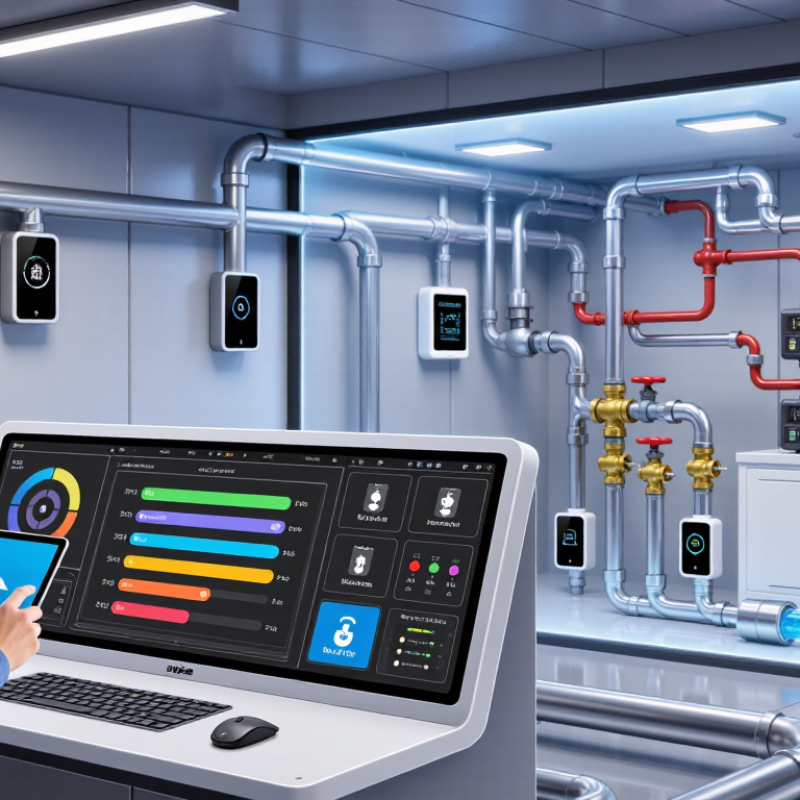
How to Choose Smart Plumbing IoT Solutions in 2026?
Smart plumbing IoT solutions include sensors, communication gateways, control valves, software dashboards, and mobile alerts. Leak sensors can sit beneath sinks, near water heaters, or inside utility rooms. They detect unusual moisture, pressure changes, freezing conditions, and continuous water flow. Small leaks spread.
A reliable system should show live readings and explain alerts clearly. For example, a dashboard might report 18 liters of unexpected flow during midnight hours. Automated shutoff valves can then stop supply before floors or cabinets suffer serious damage. However, automatic control should include manual override options. False alarms happen. I have seen sensors react to condensation, not a pipe failure.
Strong solutions also include usage analytics, maintenance reminders, device health checks, and secure data handling. Look for encrypted communication, role-based access, regular software updates, and clear data-retention policies. The system should continue recording locally if the internet connection fails. Compatibility with existing pipes, meters, building controls, and accessibility tools matters too. A technically advanced platform may still disappoint when installation requires major structural changes.
Professional evaluation should cover sensor placement, battery life, calibration, alert response time, and long-term service support. Ask whether technicians can test the shutoff valve without interrupting essential water access. Review how the provider handles faulty readings and replacement parts. Not perfect. A practical solution is one that residents understand, maintain, and trust during a stressful leak event.
| Solution Dimension | What It Includes | Typical Technical Data | Practical Selection Criteria | Best-Fit Use Case |
|---|---|---|---|---|
| Leak Detection | Point sensors, rope or cable sensors, moisture probes, and acoustic leak sensors | Detection time: seconds to a few minutes; sensing locations: appliance connections, supply lines, basements, and utility rooms | Choose sensors with audible alerts, tamper detection, replaceable batteries, and protection against condensation or splashing | Kitchens, bathrooms, laundry rooms, water heaters, mechanical rooms, and areas beneath pipes |
| Automatic Water Shutoff | Motorized valve, controller, manual override, and emergency shutoff logic | Common pipe sizes: approximately 15–50 mm; activation time: typically under one minute, depending on the valve and system | Verify pipe compatibility, operating pressure, valve torque, fail-safe behavior, and continued manual operation during network outages | Whole-home protection and commercial properties where unattended water damage is costly |
| Flow Monitoring | Inline flow meter, turbine or ultrasonic measurement, and real-time usage reporting | Measures flow rate, cumulative volume, continuous flow, and unusual usage patterns; accuracy varies by flow range and installation | Look for low-flow sensitivity, published accuracy limits, straight-pipe installation requirements, and support for periodic calibration | Water conservation, irrigation monitoring, multifamily buildings, and facilities with high water consumption |
| Pressure Monitoring | Digital pressure sensor, pressure history, threshold alerts, and optional regulator monitoring | Typical domestic water pressure is often maintained around 40–80 psi, subject to local plumbing codes and building conditions | Select a device rated for the installation pressure and temperature, with alerts for pressure spikes and sustained low pressure | Homes with pressure regulators, booster pumps, storage tanks, or recurring pipe and fixture problems |
| Temperature Monitoring | Pipe, tank, ambient, and freeze-protection temperature sensors | Typical monitoring range: approximately 0–100°C for many electronic sensors; exact limits depend on the sensor design | Check probe placement, response time, temperature accuracy, insulation requirements, and alert thresholds for freezing or overheating | Cold climates, vacation properties, hot-water systems, server or equipment rooms, and exposed pipework |
| Water Quality Sensing | Optional sensors for temperature, pH, conductivity, turbidity, total dissolved solids, or disinfectant levels | Sensor accuracy and maintenance needs vary substantially; many measurements require calibration and periodic cleaning | Prioritize published detection limits, calibration procedures, replacement schedules, and suitability for potable-water contact | Process water, building water management, tanks, pools, irrigation, and non-potable systems |
| Connectivity | Local wireless communication, gateway, cellular backup, Ethernet, or building automation protocol support | Common options include Wi-Fi, Bluetooth Low Energy, Thread, Zigbee, LoRaWAN, Ethernet, and cellular communication | Assess indoor range, wall penetration, network dependency, encryption, gateway requirements, and operation during internet failure | Small homes, large buildings, remote facilities, and installations with difficult wireless coverage |
| Power and Battery | Replaceable or rechargeable batteries, mains power, backup battery, and low-power operating modes | Battery life commonly ranges from months to several years, depending on reporting frequency, radio type, and alarm activity | Compare battery chemistry, replacement access, low-battery warnings, backup duration, and safe behavior after power loss | Hard-to-wire locations, rental properties, remote pipe runs, and systems requiring continuous monitoring |
| Mobile and Web Alerts | Push notifications, text or email alerts, dashboards, event history, and escalation rules | Alerts may be triggered by moisture, abnormal flow, pressure, temperature, device tampering, or communication loss | Choose configurable thresholds, multiple users, role-based permissions, alert acknowledgment, and clear event timestamps | Property owners, facility managers, landlords, maintenance teams, and multi-site operations |
| Automation and Integration | Rules connecting sensors with shutoff valves, pumps, alarms, building management systems, or home automation platforms | Typical rules include closing a valve after confirmed leakage or sending an alert after continuous flow exceeds a set duration | Require local fallback rules, adjustable delay periods, manual override, audit logs, and compatibility with existing control systems | Smart homes, commercial buildings, hotels, healthcare facilities, and automated maintenance programs |
| Installation and Plumbing Fit | Pipe adapters, valve bodies, sensor mounts, gateways, isolation points, and commissioning tools | Installation complexity depends on pipe material, diameter, access, water pressure, and whether a main-line valve must be replaced | Confirm dimensions, connection standards, flow direction, temperature rating, ingress protection, and local code requirements | Retrofit projects, new construction, apartments, commercial properties, and restricted-access plant rooms |
| Cybersecurity and Privacy | Encrypted communication, secure authentication, firmware updates, access control, and data-retention settings | Important controls include unique credentials, encrypted data transfer, signed updates, and documented vulnerability handling | Review update support period, account permissions, data storage location, API security, and procedures for removing former users | Any connected plumbing installation, especially properties handling tenant, operational, or building-management data |
| Reliability and Maintenance | Self-tests, sensor health checks, valve exercise cycles, calibration reminders, and device diagnostics | Maintenance intervals vary; valves may benefit from periodic movement, while quality sensors often require cleaning or calibration | Prefer systems that report offline devices, low batteries, blocked sensors, failed valve movement, and communication interruptions | Unoccupied buildings, critical facilities, vacation homes, and installations where manual inspection is infrequent |
| Performance Evaluation | Water-use baseline, alarm frequency, response time, avoided-flow estimates, and maintenance records | Useful indicators include detection latency, false-alarm rate, valve response time, uptime, and monthly water consumption | Set a baseline during normal operation and review performance after installation, seasonal changes, and plumbing modifications | Organizations seeking measurable water savings, risk reduction, and preventive maintenance outcomes |
Note: Technical ranges are typical planning values rather than universal specifications. Final selection should be checked against local plumbing codes, pipe conditions, water pressure, temperature, connectivity, and the manufacturer’s installation documentation.
They commonly include leak sensors, communication gateways, control valves, dashboards, and mobile alerts. Sensors monitor moisture, pressure, freezing conditions, and continuous water flow. Small leaks spread quickly.
Place them beneath sinks, beside water heaters, near washing machines, and inside utility rooms. Keep sensors visible and reachable. Hidden batteries create maintenance trouble.
A dashboard may report 18 liters of midnight water use. An automatic shutoff valve can stop the supply. Manual override remains important because condensation can trigger false alarms.
Measure pipe diameter, valve type, water pressure, and available clearance. Check power, network frequency, and gateway requirements. A device may work alone but fail in a larger setup.
Choose systems that record readings locally and support local control. Cloud access may fail during an outage. Test this before trusting the system.
Look for encrypted communication, multi-factor authentication, signed firmware updates, and clear data-retention rules. Change default passwords immediately. Separate guest networks can reduce exposure.
Install shutoff equipment after the main valve, leaving space for manual operation. Use a qualified plumbing professional when cutting pipes or changing pressure lines. Test every sensor with a small, controlled spill.
Review battery life, calibration, device health checks, replacement parts, and service support. Confirm technicians can test the valve without stopping essential water access. I once missed battery access. It became expensive.
Choosing the right smart plumbing IoT solution in 2026 requires more than selecting connected leak sensors. A complete system may include water-flow monitors, pressure sensors, temperature alerts, automatic shutoff devices, usage dashboards, and mobile notifications. These tools can help identify hidden leaks, prevent water damage, detect unusual consumption, monitor pipe conditions, and support more efficient maintenance. Understanding the most relevant Smart plumbing IoT automation trends can help property owners focus on practical improvements rather than unnecessary features.
When comparing solutions, evaluate sensor accuracy, battery life, response speed, data visibility, automation options, and the ability to expand the system later. Compatibility with existing pipes, valves, networks, and building controls is equally important. Security should include strong authentication, encrypted communication, regular software updates, and clear data-management policies. Installation requirements should be simple, reliable, and suitable for the property. Finally, compare total ownership costs, including equipment, installation, maintenance, energy use, and potential water-loss savings, to choose a solution that delivers lasting value.