How to Choose an IoT Enabled Macerator Pump Toilet?

Time:2026-09-14 Author:Liam
0%

Choosing a macerator toilet is no longer only about discharge height, pipe size, or bathroom layout. Today, an IoT enabled macerator pump toilet can add pump-status alerts, operating data, leak detection, and maintenance reminders. These features matter in basements, guest rooms, compact apartments, and remote facilities where a blocked toilet can quickly become expensive.

The sanitation challenge gives this decision wider importance. The WHO and UNICEF Joint Monitoring Programme reported that 3.5 billion people lacked safely managed sanitation in 2022. Meanwhile, IoT Analytics estimated 16.6 billion connected IoT devices worldwide in 2023. These figures do not prove that every bathroom needs smart technology. They show why reliable monitoring is becoming more relevant.

A practical choice should begin with real site conditions. Measure the vertical lift, horizontal run, pipe diameter, and available electrical supply. Check the pump’s flow rate, noise level, alarm method, and service access. Product documentation should identify suitable waste types, temperature limits, ingress protection, and compliance with applicable standards. European buyers may also review EN 12050 requirements for wastewater lifting plants, while local plumbing rules remain decisive.

Smart functions are useful, but they are not magic. A phone notification cannot repair a worn impeller. A polished app may hide weak after-sales support. Look for tested components, clear warranties, replacement parts, and a manufacturer with proven installation guidance. Industry reports offer context, not a final answer. The best system is the one that fits the building, the users, and the maintenance team. Reliability still comes first.
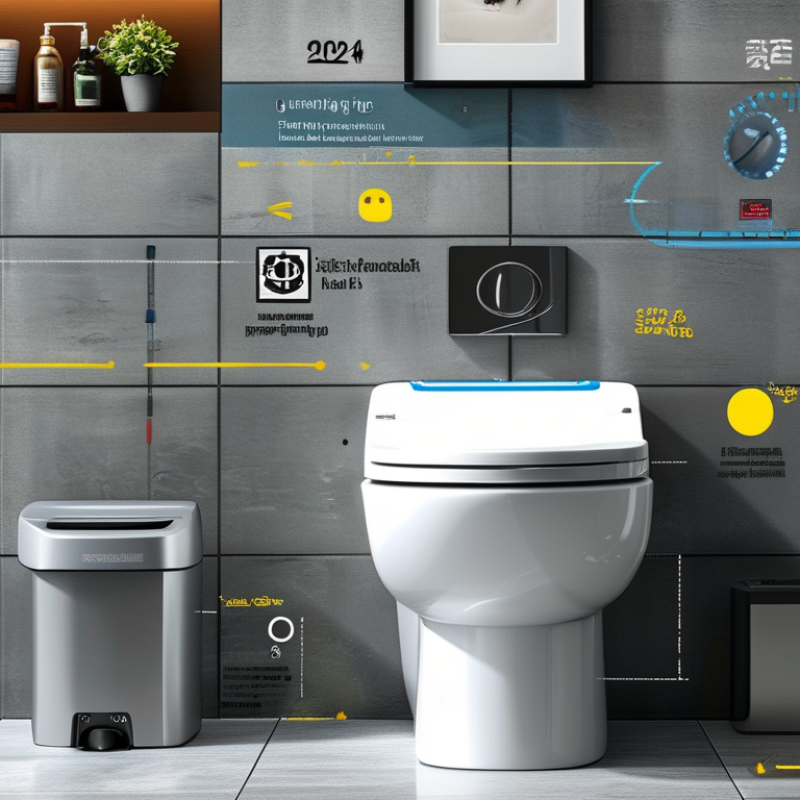
How to Choose an IoT Enabled Macerator Pump Toilet?

Define the Core Functions of an IoT-Enabled Macerator Toilet

How to Choose an IoT Enabled Macerator Pump Toilet?

Define the Core Functions of an IoT-Enabled Macerator Toilet

An IoT-enabled macerator toilet should do more than send phone notifications. Its core system needs reliable flushing, waste grinding, pumping, and safe discharge. A level sensor can track abnormal water rise. A motor sensor can identify unusual current or vibration. These details matter when a toilet sits in a basement, guest room, or compact bathroom.

The McKinsey Global Institute estimates that IoT applications could create up to $12.6 trillion in annual economic value by 2030. That forecast does not make every connected toilet useful. The value comes from practical information. Users should receive alerts for blockage risk, pump overheating, leaks, and repeated flushing. A maintenance log can show operating cycles and fault history. It should not replace physical inspection.

Keep control simple.

The system should include manual flushing and local alarm functions. Remote access must use strong authentication, encrypted communication, and update support. These protections follow the security principles outlined in NISTIR 8259. Water performance also deserves attention. The U.S. EPA WaterSense tank-type toilet specification limits qualified models to 1.28 gallons per flush, but macerator designs may differ. Check the actual discharge rate and pipe layout before purchase. I would also question vague “smart” claims. A colorful app is not evidence of dependable pumping. Test the alarm response, sensor accuracy, and recovery after power loss.

Match the Pump System to Your Plumbing and Installation Site

An IoT-enabled macerator pump toilet must match the plumbing, not merely the bathroom layout. The U.S. Environmental Protection Agency reports that toilets use nearly 30% of indoor household water. Efficient flushing matters, but discharge conditions matter more. Measure the vertical lift, horizontal run, pipe diameter, bends, and receiving drain elevation. Use the pump’s duty curve, not a marketing headline. A long, narrow discharge route can increase friction and cycling. That matters.

A basement installation may require greater lift and easier service access. A remote property may need freeze protection, stable power, and local alarms. IoT Analytics estimated 18.8 billion connected IoT devices worldwide in 2024, showing how common remote monitoring has become. Sensors can report abnormal starts, tank levels, temperature, and power interruptions. They cannot correct poor pipe sizing. Do not assume Wi-Fi replaces a float alarm or manual isolation. Follow local plumbing and electrical requirements, including suitable protection near water. I would also leave clear access around the pump for cleaning. It feels inefficient during installation, yet it prevents painful maintenance later. The weak point is often overlooked: a carefully selected pump can still perform badly when the drain route is too restrictive. Test the complete route before closing walls.

Evaluate Smart Monitoring, Alerts, and Remote Control Features

How to Choose an IoT Enabled Macerator Pump Toilet?

Smart monitoring should show more than a green “online” icon. Check whether the system reports pump cycles, motor temperature, blockage warnings, water level, and power interruptions. The State of IoT 2024 report estimates 18.8 billion connected IoT devices worldwide by the end of 2024. More connections can improve visibility, but they also create more points for failure.

Alerts must be specific and actionable. A message such as “high current detected” helps maintenance teams respond before a bathroom floor floods. Push notifications, email alerts, and battery-backed local alarms are useful during network outages. Remote control should allow safe functions, such as restarting a cycle or locking the pump during inspection. It should not replace physical isolation procedures.

I would test every alert with water, power, and network interruptions. Real conditions are less tidy than demonstrations.

Security deserves equal attention. The 2024 Data Breach Investigations Report recorded a 180% increase in vulnerability exploitation as an initial access method. Choose encrypted communication, multi-factor authentication, role-based access, update support, and clear data-retention settings.

A remote dashboard may expose operating patterns, including occupancy clues. That risk is easy to overlook. Also check whether manual operation remains available when the app fails.

Smart control is helpful, but dependence on one connection can become the weakest part of the installation.

Compare Power Use, Noise Levels, Capacity, and Maintenance Needs

Choosing an IoT-enabled macerator pump toilet requires more than checking its smart features. Power use deserves close attention. A typical unit may draw several hundred watts while macerating, then use very little in standby. However, frequent flushing can raise daily consumption. Track your household’s real usage for a week before choosing a model.

Noise matters. Some pumps produce a brief, sharp grinding sound, while others create a lower mechanical hum. Place your ear near the proposed installation area. Thin walls and tiled floors can amplify vibration. A rubber mounting pad may help, but it cannot correct poor pipe alignment. I once underestimated this detail, and the toilet sounded louder at night than expected.

Capacity also affects comfort and reliability. Check the waste inlet size, discharge distance, and maximum lift, not just the tank volume. A larger household may need stronger flow and fewer restrictions. Smart alerts can report abnormal cycling, high water levels, or possible blockages. Useful, but not foolproof. A sensor can miss a slow leak or misread heavy deposits.

Maintenance should be simple enough for regular attention. Look for accessible filters, replaceable seals, manual override controls, and clear cleaning instructions. Avoid flushing wipes, cotton products, or excessive paper. These items can overload the cutter and increase service visits. Keep a basic record of cleaning dates, fault alerts, and unusual sounds. Small changes often appear before a complete pump failure.

Verify Safety Standards, Compatibility, Warranty, and Total Cost

Choosing an IoT-enabled macerator pump toilet requires more than comparing app features. Verify electrical safety certification recognized in your region. Check protection against moisture, grounding, and overload conditions. The unit should include clear installation instructions and accessible emergency shutoff controls. Ask whether software updates are supported throughout the warranty period. Read the fine print.

Compatibility can prevent expensive surprises. Measure the available space, discharge distance, pipe diameter, and vertical lift. Confirm that the pump accepts your toilet type and intended wastewater connections. Check local venting requirements before installation. During a bathroom retrofit, I would test the discharge route with a temporary layout first. Measure twice. An app cannot fix poor pipe alignment, weak water pressure, or an inaccessible pump.

Review the warranty like a technician, not a shopper. Determine whether labor, sensors, electronics, seals, and cutting components are covered separately. Some warranties require professional installation or exclude damage from unsuitable wastewater. Calculate the total cost, including wiring, plumbing changes, network equipment, maintenance, electricity, and possible subscription fees. Ask how the toilet behaves during an internet outage. Basic flushing should remain dependable offline. Noise matters too, especially beside a bedroom. I once focused too heavily on smart monitoring and underestimated service access. That was a costly oversight. A transparent service schedule, available replacement parts, and responsive technical support may matter more than a polished dashboard.

FAQS

What should smart monitoring show on an IoT-enabled macerator pump toilet?

It should report pump cycles, motor temperature, water level, blockages, and power interruptions. A green “online” icon is not enough. Real information matters.

Which alerts are most useful during a pump problem?

Choose alerts that explain the problem and suggest an action. “High current detected” can prompt inspection before water reaches the bathroom floor. Push notifications, emails, and local battery alarms add protection.

Can remote control replace physical pump isolation?

No. Remote control should support safe restarts or temporary locking during inspection. It must not replace physical isolation procedures. That shortcut feels convenient, but it creates risk.

How should smart alerts be tested?

Test alerts during water interruptions, power cuts, and network failures. Confirm that local alarms still work offline. Demonstrations are tidy. Real homes are not.

What security features should connected toilet systems include?

Look for encrypted communication, multi-factor authentication, role-based access, and regular update support. Check data-retention settings carefully. Operating patterns may reveal when people use the bathroom.

How much electricity might a macerator pump toilet use?

The pump may draw several hundred watts during maceration and little power while idle. Frequent flushing can increase daily consumption. Track real household use for one week.

How can I judge noise before installation?

Listen near the planned installation area, not only in a showroom. Thin walls and tiled floors can amplify grinding or vibration. Rubber pads may help. They cannot fix poor pipe alignment.

What capacity and maintenance details deserve attention?

Check waste inlet size, discharge distance, maximum lift, filters, seals, and manual override controls. Avoid wipes, cotton products, and excessive paper. Keep records of cleaning, alerts, and unusual sounds. Sensors can miss slow leaks.

Conclusion

Choosing an IoT enabled macerator pump toilet starts with understanding its core function: it grinds waste and pumps it through smaller pipes, making installation possible in locations without conventional gravity drainage. Before purchasing, match the pump capacity, discharge distance, pipe layout, and power requirements to your bathroom and installation site. Consider whether the unit can handle the intended fixtures and whether access for servicing is practical.

Smart features should provide useful monitoring, such as alerts for blockages, high water levels, abnormal operation, or maintenance needs. Remote status checks and control options can add convenience, but they should be secure and simple to use. Also compare electricity consumption, operating noise, waste capacity, cleaning requirements, and expected maintenance intervals. Finally, verify applicable safety certifications, plumbing compatibility, warranty coverage, replacement-part availability, and the total ownership cost. A well-chosen system should offer reliable performance, manageable upkeep, and smart functions that genuinely improve everyday use.


Liam

Liam

Liam is a dedicated marketing professional with a profound expertise in the industry, where he excels at highlighting the unique advantages of our core products. With a keen understanding of market trends and consumer needs, Liam frequently updates our company’s professional blog, providing......