Top Smart Toilet IoT Sensors for Leak Detection

Time:2026-09-22 Author:Aria
0%

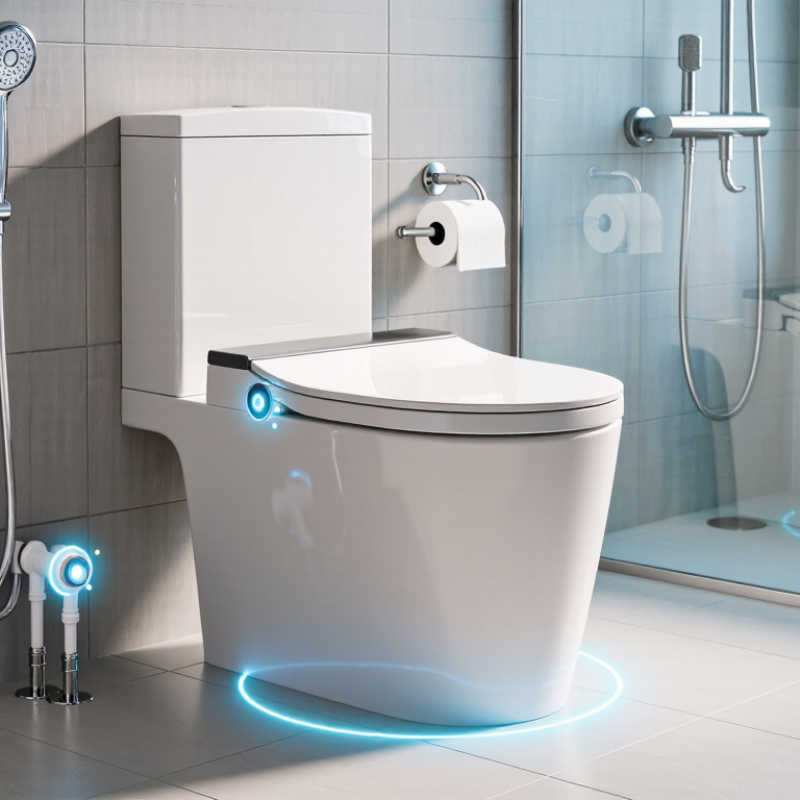
A silent toilet leak can waste water for weeks, hide beneath ceramic surfaces, and quietly increase utility bills. Smart toilet IoT sensor leak detection offers a more practical response. These sensors monitor supply lines, tank refills, valve behavior, moisture levels, and unusual flushing patterns. Some models send alerts within seconds through Wi-Fi or Bluetooth. Others close an electronic shutoff valve when continuous flow suggests a serious fault.

Dr. Steve Buchberger, a recognized water-systems researcher, states, “The best leak detection system is the one that finds water before damage becomes visible.” That principle shapes this guide to the top Smart toilet IoT sensor leak detection options. We examine detection accuracy, installation effort, app reliability, battery life, data privacy, and compatibility with smart-home platforms. A sensor should not merely flash an alert. It should explain what happened and what action matters.

Look for precise moisture probes near the inlet hose and floor connection. Audible alarms help in bathrooms with weak wireless signals. Automatic shutoff is useful, but it can create inconvenience when false alarms occur. Small details matter.

No sensor is perfect.

Condensation may confuse inexpensive probes. Poor router placement can delay notifications. Some product claims also sound stronger than independent testing supports. Therefore, this overview weighs specifications against practical bathroom conditions, including hard-water deposits, irregular flushing, and limited maintenance access. The goal is simple: identify dependable devices that detect leaks early, communicate clearly, and reduce avoidable water damage.
Top Smart Toilet IoT Sensors for Leak Detection

Smart Toilet IoT Sensors: Definition and Operating Principles

Top Smart Toilet IoT Sensors for Leak Detection

Smart Toilet IoT Sensors: Definition and Operating Principles

Smart toilet IoT sensors are compact devices that monitor water movement, pressure, sound, and moisture. They convert physical changes into digital signals. A flow sensor measures water volume after each flush. A pressure sensor detects unusual pressure drops inside the supply line. Acoustic sensors listen for the faint hiss of continuous water loss. Moisture sensors can identify water beneath the tank or near the floor.

The U.S. Environmental Protection Agency’s WaterSense program estimates that household leaks waste nearly 10,000 gallons of water yearly. It also reports that 10% of homes have leaks wasting more than 90 gallons daily. These figures explain why continuous monitoring matters. A sensor normally learns a toilet’s flushing pattern. It then compares new readings with that baseline. If water flows for too long, the system sends an alert through a connected gateway or mobile interface. Some systems process basic signals locally, reducing cloud dependence. NIST IoT guidance also emphasizes device identity, secure updates, and protected communications.

Practical installation still matters. A poorly positioned sensor may detect condensation instead of leakage. Weak wireless signals can delay alerts. Batteries may fail quietly, which is an uncomfortable weakness. Regular testing remains necessary. In field use, combining flow and moisture readings usually provides stronger evidence than relying on one sensor alone.

Top Smart Toilet IoT Sensors for Leak Detection

Smart Toilet IoT Sensors: Definition and Operating Principles

Flow sensors identify continuous water movement, pressure sensors detect abnormal pressure loss, moisture sensors confirm water presence around the toilet base, and acoustic sensors recognize leak-related vibration. The values shown are representative engineering ranges commonly used for IoT leak-detection system design; actual performance depends on installation, pipe material, sensor calibration, and network settings.

Key Sensor Types for Detecting Toilet Leaks

Smart toilet IoT systems depend on several sensor types, not one universal detector. WaterSense reports that toilets use nearly 30% of a typical home’s indoor water. A small fault can therefore become expensive.

Flow sensors measure water movement through the supply line. They can identify continuous flow after flushing. Some models compare expected flush volume with actual usage. The U.S. Environmental Protection Agency estimates that household leaks waste more than 10,000 gallons of water annually. That figure explains the value of minute-by-minute monitoring. Still, flow data alone can mislead. A slow refill may resemble a hidden supply leak.

Pressure sensors offer another layer. They detect unusual pressure drops inside the toilet’s valve or connected pipe. Acoustic sensors listen for hissing, vibration, or turbulent water behind walls. Moisture sensors provide direct evidence. Installed near the tank base, shutoff valve, or floor edge, they can trigger an alert before visible pooling appears. Level sensors monitor tank height and reveal a stuck flapper or faulty fill valve.

The strongest systems combine these signals through an IoT controller. For example, continuous flow plus rising floor moisture suggests a serious leak. A temporary pressure change may only reflect normal flushing. Installation quality matters greatly. A poorly positioned probe can miss water or create false alarms. Sensor batteries also need routine inspection. Industry guidance increasingly favors layered detection, but field conditions remain imperfect. Dust, condensation, and unusual flushing habits can still confuse automated decisions.

Top Smart Toilet IoT Sensors for Leak Detection - Key Sensor Types for Detecting Toilet Leaks

Sensor Type Primary Leak Signal Typical Installation Point Detectable Toilet Problems Response Speed IoT Data Output Main Strength Key Limitation
Water Flow Sensor Unexpected or continuous water movement through the supply line Main inlet pipe or toilet supply line Running toilets, leaking fill valves, stuck flush valves, abnormal consumption Seconds to minutes, depending on the configured threshold Flow rate, total volume, flow duration, event timestamps Provides direct evidence of water use and supports consumption analysis May not detect leaks located downstream of the measured point
Acoustic Sensor Sound or vibration patterns produced by escaping or continuously moving water Toilet tank, supply pipe, wall cavity, or adjacent plumbing surface Small continuous leaks, pipe seepage, running valves, intermittent flow Seconds to several minutes Sound level, frequency profile, vibration events, anomaly score Can identify leaks without placing a sensor directly in the water path Background noise, building vibration, and pipe material can affect accuracy
Moisture or Water-Contact Sensor Water reaching conductive contacts or a moisture-sensitive surface Floor beside the toilet, behind the bowl, near the shutoff valve, or inside a service cavity Supply-line leaks, tank overflow, bowl-base seepage, hose failures Usually immediate after water reaches the sensing area Wet/dry status, moisture duration, alert events, battery status Simple, low-cost, and effective for visible or concealed surface leaks Detects water only after it reaches the sensor; placement is critical
Tank Water-Level Sensor Abnormal tank level, slow level recovery, or repeated refill cycles Inside the cistern or tank compartment Leaking flapper or flush valve, faulty fill valve, overflow risk Seconds to a few minutes after an abnormal level is detected Water level, refill time, refill frequency, high/low-level alarms Well suited to identifying leaks inside the toilet tank Does not directly detect leaks in the external supply line or floor area
Pressure Sensor Pressure drop, pressure instability, or failure to hold pressure Supply line, flush valve inlet, or pressurized plumbing section Supply-pipe leaks, valve faults, partial blockages, abnormal pressure loss Near real time when the line is pressurized Pressure level, pressure trend, pressure-drop events, alarm state Useful for identifying pressure changes before visible water accumulates Pressure varies with building conditions and may require calibration
Ultrasonic Level Sensor Change in distance between the sensor and the water surface Above the water surface inside a tank or concealed reservoir Slow tank leakage, overflow conditions, abnormal fill and drain behavior Seconds to minutes Distance measurement, calculated water level, rate of level change Non-contact measurement reduces corrosion and contamination at the sensing element Condensation, turbulence, tank geometry, and limited installation space can reduce reliability
Capacitive Moisture Sensor Change in electrical capacitance caused by moisture near the sensing surface Under the toilet, behind wall panels, beneath the tank, or near a concealed pipe Slow seepage, hidden dampness, condensation-related moisture, concealed leaks Minutes, depending on the material and amount of moisture Relative moisture level, trend data, threshold alerts, sensor health Can monitor gradual moisture accumulation without exposed metal contacts May require site-specific calibration and can be influenced by nearby materials
Infrared Occupancy Sensor User presence correlated with flush events and water-use duration Bathroom wall, toilet enclosure, or integrated control area Unexpected flushing, repeated flushes, unattended water use, behavioral anomalies Seconds when combined with flow or level data Occupancy state, flush correlation, usage duration, anomaly events Improves leak analysis by distinguishing normal use from unexplained water activity Not a standalone leak detector and may be affected by privacy or line-of-sight constraints

Note: In practical IoT deployments, combining a flow sensor with a moisture sensor or tank-level sensor generally provides stronger leak confirmation than relying on a single sensor type.

How IoT Sensors Monitor Water Flow and Hidden Leaks

Top Smart Toilet IoT Sensors for Leak Detection

Modern smart toilet IoT systems watch water flow, pressure, and refill behavior in near real time. A compact flow sensor measures each flush, while pressure sensors identify unusual changes in the supply line. Some systems also track repeated valve cycles after the bowl appears quiet. That detail matters. A toilet can lose water behind a wall or beneath the floor without visible puddles.

The U.S. EPA WaterSense program reports that household leaks waste nearly 10,000 gallons of water yearly. It also estimates that 10% of homes have leaks wasting at least 90 gallons daily. IoT monitoring turns these broad statistics into household evidence. For example, a sensor may record a steady 0.02-gallon-per-minute flow overnight. Software can compare that pattern with normal flush data and send an alert before structural damage develops.

Detection is not flawless. Poor calibration, unstable Wi-Fi, and pressure changes can create false warnings. Sensors should be installed near the inlet, checked against a manual meter, and tested during several flush cycles. Acoustic sensors may help locate concealed leaks, but tiled walls and running fans can weaken their readings. The 2023 U.S. Department of Energy report on residential water efficiency supports submetering and real-time feedback as practical tools for reducing consumption. Still, data needs human judgment. A strange reading deserves inspection, not automatic panic.

Connectivity, Alerts, and Remote Leak Management

Top Smart Toilet IoT Sensors for Leak Detection

Smart toilet IoT sensors detect moisture, unusual water flow, and slow tank leakage. A reliable setup connects through Wi-Fi or a local gateway. It should continue recording during brief internet outages. Connectivity is not just a convenience. It determines how quickly a small drip becomes visible. In practical installations, sensor placement matters as much as sensor quality. Place one near the supply valve and another behind the bowl. Check the floor after cleaning, because leftover water can trigger false alerts.

Alerts should be clear, fast, and adjustable. A useful system can send push notifications, text messages, or email warnings. It may report rising moisture, repeated flushes, or abnormal water use. The alert should identify the bathroom and show the detected time. “Leak detected” is less helpful than “Upstairs toilet, dampness rising.”

Remote leak management can include closing a connected shutoff valve or changing alert settings from a phone. However, automatic shutoff needs careful testing. A false closure during a guest visit could create unnecessary trouble.

Tips: Test each sensor monthly with a few drops of water. Keep batteries fresh. Review alert history, not only active warnings. Avoid placing sensors where mopping water regularly collects. No sensor is perfect. A weak signal, blocked drain, or loose fitting may still escape notice, so visual inspections remain necessary. I would also question any system that promises complete protection without maintenance.

Selection Criteria for Smart Toilet Leak Detection Sensors

Top Smart Toilet IoT Sensors for Leak Detection

Selection Criteria for Smart Toilet Leak Detection Sensors

Choosing an IoT sensor requires more than checking its advertised detection range. Start with the leak type. Moisture sensors identify water beneath the toilet, while flow sensors detect unusual movement through the supply line. Acoustic sensors can notice dripping inside walls, but background noise may create false alerts.

Placement matters greatly. A sensor should sit near the shutoff valve, tank connection, and floor seam. Select a water-resistant enclosure with reliable performance in humid bathrooms. Battery life should cover at least a year, because frequent replacement is easy to forget. Stable wireless connectivity also matters, especially through tile, concrete, or cabinetry. During inspections, I prefer systems that record timestamps and alert delays. These details help distinguish a short flush from a continuous leak.

Tips: Test the sensor with a small, controlled amount of water. Check whether the alert reaches the intended phone or control panel. Review its sensitivity settings after installation. No sensor is perfect. A device may miss slow seepage or trigger during cleaning. Keep a visual inspection schedule, even when the dashboard shows normal readings. Data encryption, clear access controls, and local compliance documentation should guide the final selection. A lower purchase price can become expensive when alerts are unreliable or installation is difficult.

FAQS

Which sensors can detect toilet leaks?

Flow sensors measure water moving through the supply line. Pressure sensors detect unusual drops. Moisture sensors find water near the tank or floor. Level sensors reveal abnormal tank changes. Acoustic sensors may hear hissing behind walls.

How does a flow sensor identify a hidden leak?

It records water movement after flushing. Continuous overnight flow may indicate a leaking valve or supply pipe. For example, 0.02 gallons per minute can matter. Flow data alone can mislead. A slow refill may look similar.

Why are moisture sensors important?

Moisture sensors provide direct evidence of escaping water. Place one near the tank base, shutoff valve, or floor edge. They may alert you before a puddle appears. A mop bucket nearby can cause false warnings.

Can pressure and acoustic sensors locate concealed leaks?

Pressure sensors notice unexpected changes in connected pipes. Acoustic sensors listen for hissing, vibration, or turbulent water. Tiled walls and running fans can weaken acoustic readings. They help, but they are not perfect.

Should a leak detection system combine several sensor types?

Yes, combined signals usually improve judgment. Continuous flow plus rising floor moisture suggests a serious leak. A brief pressure change may only reflect flushing. Multiple clues matter. Sometimes, systems still misread conditions.

How should sensors connect and send alerts?

Sensors may use Wi-Fi or a local gateway. The system should keep recording during short internet outages. Alerts can report the bathroom, detected time, and moisture level. “Upstairs toilet, rising dampness” is more useful than “Leak detected.”

What should be checked during installation?

Position sensors near the inlet, supply valve, and bowl area. Test them during several flush cycles. Compare flow readings with a manual meter. Poor placement can miss water. Loose fittings can also create confusing results.

How often should toilet leak sensors receive maintenance?

Test each sensor monthly with a few drops of water. Inspect batteries and review alert history. Clean away dust and condensation. Check the floor after mopping. Visual inspection still matters. I would question any promise of complete protection.

Conclusion

Smart toilet IoT sensor leak detection uses connected sensors to identify abnormal water behavior before a small problem becomes costly damage. These devices can track supply-line pressure, tank levels, valve activity, moisture, and water flow in real time. By comparing current readings with normal toilet usage, they can recognize running toilets, slow leaks, concealed pipe seepage, and unexpected water consumption. Some sensors are installed inside the tank, while others monitor nearby floors, pipes, or the main water connection.

When unusual activity is detected, the system sends alerts through a mobile application or web platform, allowing users to inspect the toilet and respond remotely. Advanced systems may support automatic shutoff functions to reduce water loss and limit property damage. When choosing a sensor, users should consider detection accuracy, installation method, battery life, connectivity range, alert speed, data security, compatibility, and maintenance requirements. A practical solution should provide reliable monitoring without unnecessary complexity.


Aria

Aria

Aria is a dedicated marketing professional with a deep passion for innovative strategies and a keen understanding of our company's product offerings. With a wealth of experience in the industry, Aria excels at crafting engaging content that highlights the unique features and benefits of our......