Top Automated AI Sewage Disposal Systems in 2026

Time:2026-09-27 Author:Aria
0%

In 2026, sewage treatment is becoming more automated, but automation does not remove the need for sound engineering. An Automated AI sewage disposal system can combine flow meters, water-quality sensors, control software, and treatment equipment. Together, these tools help operators spot changing loads, adjust aeration, and flag unusual readings before small problems grow. A dashboard may show a sudden rise in turbidity; a pump may respond within seconds. Useful, but not magic.

Wastewater engineer Dr. Kartik Chandran, a Columbia University professor known for research in environmental engineering, has helped advance the idea of recovering value from wastewater. A concise principle consistent with that work is: “Treat wastewater as a resource, not merely a disposal burden.” That framing matters. Strong systems must still protect treatment performance, support human oversight, and provide records operators can review. Sensors need calibration. Alerts need context. And field testing matters more than a polished sales demo.

This guide examines leading automated systems and the practical differences between them: monitoring coverage, control options, maintenance demands, and fit for different facility sizes. It also considers how vendors handle failures, data gaps, and changing influent conditions. Those details can be easy to overlook. An algorithm may recommend a setting, yet a trained operator must decide whether it makes sense on site. No system fits every plant. The best choice is the one that performs reliably under real conditions, with measurable results and clear limits.
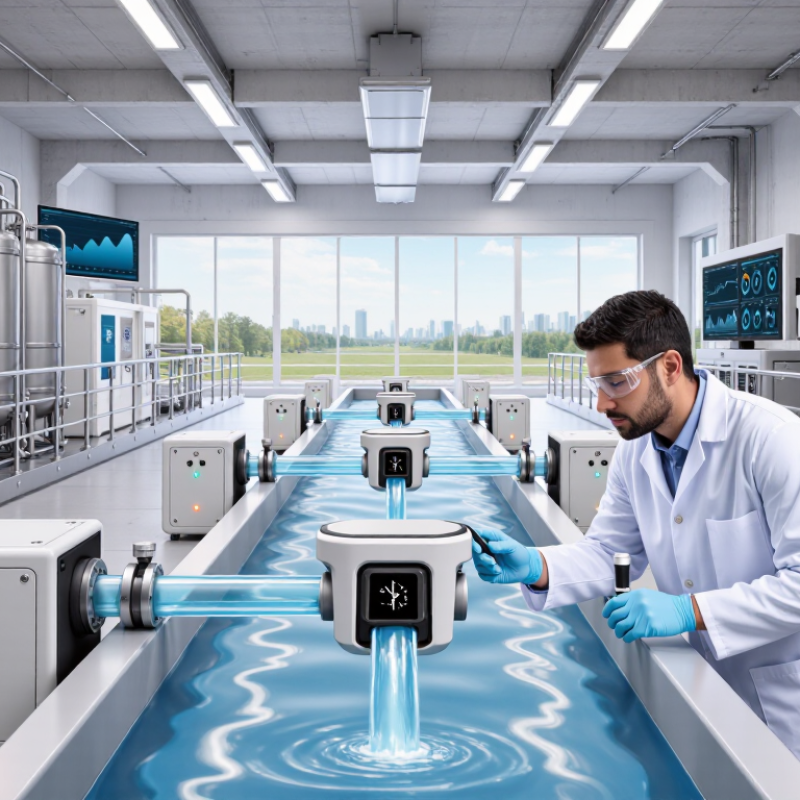
Top Automated AI Sewage Disposal Systems in 2026

What Automated AI Sewage Disposal Systems Are

Top Automated AI Sewage Disposal Systems in 2026

What Automated AI Sewage Disposal Systems Are

Automated AI sewage disposal systems combine wastewater-treatment equipment, sensors, control software, and machine-learning tools. They do not make sewage disappear. Instead, they help operators manage steps such as screening, biological treatment, sludge handling, and discharge monitoring. Sensors can track flow, water level, dissolved oxygen, and turbidity. Software uses these readings to adjust pumps or aeration, sometimes before a problem becomes visible. The system still depends on sound maintenance and human oversight.

The scale is substantial. UN-Water’s 2024 progress update reported that 42% of household wastewater worldwide was not safely treated in 2022. In the United States, the Environmental Protection Agency estimates that wastewater treatment uses about 30 billion kilowatt-hours of electricity annually. These figures help explain interest in better process control, but they do not prove that AI alone will cut costs or improve effluent quality. Results depend on sensor calibration, reliable data, plant design, and staff training. A clogged probe can mislead a clever model. That detail is easy to underestimate.

Tips: Check whether readings are calibrated against laboratory samples, and keep a manual operating procedure for sensor or network failures. Ask vendors to show performance data from comparable facilities, not just simulations. Small plants may need simpler automation first. More complexity is not always better.

How AI-Guided Sewage Treatment Works

AI-guided sewage treatment uses sensor readings and operating data to help plants respond to changing wastewater conditions. Sensors can track flow, pH, turbidity, dissolved oxygen, and ammonia. Software compares these readings with past patterns and estimates incoming loads. A sudden rise after heavy rain, for example, may prompt operators to adjust pumping or aeration. Physical screening, settling, and biological treatment still do the core work. AI supports those processes; it does not replace them.

During treatment, control systems can recommend changes to aeration rates, pump timing, or chemical dosing within approved operating limits. Operators review unusual readings and check alarms against plant conditions. This matters because a coated or faulty sensor can create misleading data. Models also struggle when conditions differ from their training records. Small shifts matter. Treated water still needs routine testing to confirm it meets required quality targets; a confident dashboard is not proof of safety.

Tips: Keep sensors clean and calibrated, and compare automated readings with laboratory results. Record unusual weather, maintenance, and equipment faults alongside process data. Review recommendations before changing settings, especially during equipment failures or sudden flow surges. No system is perfectly tidy, and human judgment remains part of reliable treatment.

AI-Guided Sewage Treatment: Typical Concentration Reduction

Representative municipal wastewater values before and after conventional secondary treatment

AI-guided systems can use sensor data to adjust aeration and treatment controls. These representative values show typical concentration ranges, not guaranteed results or a measured AI-specific improvement. Actual performance varies with wastewater and plant conditions. Reference: U.S. EPA, Wastewater Technology Fact Sheet: Sequencing Batch Reactors; Metcalf & Eddy, Wastewater Engineering: Treatment and Resource Recovery.

Key Technologies Used in Automated Disposal Systems

Automated sewage disposal systems in 2026 rely on sensors, control software, and treatment equipment working together. Level sensors track flow in tanks and channels. Turbidity and dissolved-oxygen sensors help operators assess changing water conditions. Cameras can flag visible blockages, though dirty lenses still cause missed readings. Small errors matter.

Edge computing lets a system respond near the equipment, rather than waiting for a remote server. AI models can spot unusual pump vibration or predict when a screen may need cleaning. Controllers then adjust aeration, pumping, or chemical dosing within set limits. These adjustments still need human oversight. A model trained on one facility may perform poorly at another, especially after seasonal changes or sensor replacement.

Tips: Check sensor readings against manual samples on a regular schedule. Keep alarm thresholds clear, and test backup controls before relying on automation. Review false alarms, too. They may reveal poor calibration, changing wastewater conditions, or an overly sensitive model. A simple maintenance log can connect alerts with actual repairs and help staff judge whether automated decisions are useful.

Leading Automated AI Sewage Systems in 2026

In 2026, leading automated AI sewage systems combine sensor networks, treatment controls, and operator dashboards. Sensors measure flow, tank levels, turbidity, and equipment vibration. AI models can flag unusual patterns, such as a sudden rise in inflow or a pump running longer than expected. Staff can investigate earlier and adjust aeration or pumping schedules. Useful, but not magic. Poorly placed sensors or incomplete maintenance records can weaken predictions.

Tips: Ask how often sensors are calibrated and what happens when readings fail. Review alert logs, backup power, and manual-control options. Compare energy use and treatment performance across seasons, not just during a short demonstration.

A reliable system should show why it raised an alert, not merely display a warning. Look for clear records of operating changes and treatment results. Confirm that trained staff remain responsible for decisions, especially during storms or equipment faults. AI can help manage complex flows, yet it cannot replace sound engineering or routine sampling. I would still want to inspect the plant’s maintenance history; dashboards can look reassuring while a small valve quietly sticks.

How to Compare System Performance and Safety

Top Automated AI Sewage Disposal Systems in 2026
How to Compare System Performance and Safety

Comparing automated sewage systems means looking beyond a polished dashboard. Check how consistently each system handles changing flow, solids, and temperature. Ask for operating data across ordinary days and peak periods, not just ideal test conditions. Useful measures include treatment quality, energy use, downtime, and how quickly alarms reach an operator. No dashboard tells the whole story. Confirm that reported readings can be checked against independent sampling and maintenance records.

Safety depends on what happens when sensors fail or power drops. Look for clear alarm thresholds, backup power, secure access controls, and documented manual procedures. Ask how the system prevents untreated flow from going unnoticed, and who is responsible for responding after hours. Inspect sensor housings, access points, and service areas for practical hazards such as slippery floors or confined spaces. Operators should receive training, not just passwords. A system can automate routine adjustments, but it cannot replace sound inspection or local wastewater requirements.

Compare the full service plan, including calibration, spare parts, and response times. Request references from sites with similar flow and wastewater characteristics. Be cautious when promised performance depends on perfect inputs or constant connectivity. I would want to see more real-world outage data; that evidence is often less tidy than a product demonstration. The better choice is the system whose limits, records, and failure procedures are easiest to verify.

FAQS

What does AI do in sewage treatment?

It studies sensor readings and operating data. It can help staff spot changing wastewater conditions.

Which measurements can sensors track?

Common readings include flow, pH, turbidity, dissolved oxygen, and ammonia. Tank levels and pump vibration may also be monitored.

Does AI replace physical treatment processes?

No. Screening, settling, and biological treatment still do the core work. AI supports these processes.

How might a plant respond after heavy rain?

A sudden inflow rise may prompt staff to adjust pumping or aeration. The response depends on actual plant conditions.

Can operators trust every sensor reading?

No. Coated or faulty sensors can mislead the system. Staff should compare unusual readings with plant checks and laboratory results.

How can staff check whether an AI recommendation is useful?

They can review alert explanations, operating records, and treatment results. A warning alone is not enough.

What should plants review before adopting an automated system?

Check sensor calibration, backup power, alert logs, and manual controls. Compare energy use across seasons, too.

Does a confident dashboard prove treated water is safe?

No. Routine testing must confirm water quality targets. I may be overcautious, but a polished screen can still miss a stuck valve.

Conclusion

An Automated AI sewage disposal system combines sensors, treatment equipment, and software to manage wastewater with less manual intervention. It monitors factors such as flow, turbidity, and treatment conditions, then adjusts processes to help remove contaminants efficiently. AI-guided operation can support early detection of changing conditions, while automated alerts help operators respond to maintenance needs and unusual readings.

In 2026, leading systems are distinguished by reliable performance, adaptable controls, and strong safety measures rather than by a single design. Common technologies include real-time sensors, predictive analytics, automated dosing, and remote monitoring. When comparing options, assess treatment consistency, energy and water use, capacity, maintenance requirements, data security, and safeguards for equipment and operators. The best choice depends on the facility’s wastewater profile and operating needs, with qualified oversight remaining essential.


Aria

Aria

Aria is a dedicated marketing professional with a deep passion for innovative strategies and a keen understanding of our company's product offerings. With a wealth of experience in the industry, Aria excels at crafting engaging content that highlights the unique features and benefits of our......