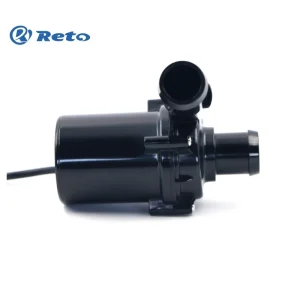
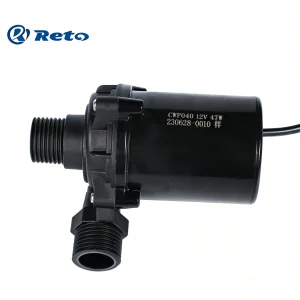
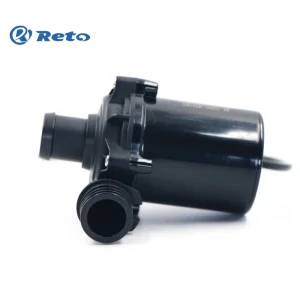
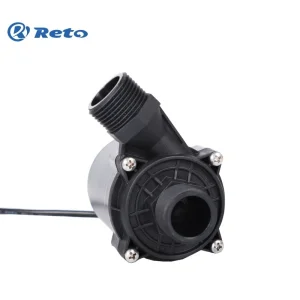
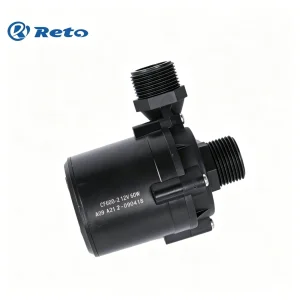
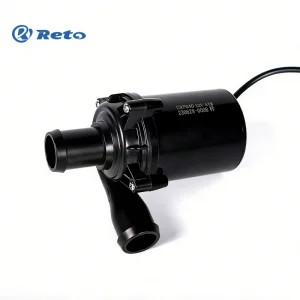
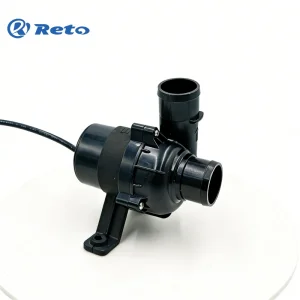
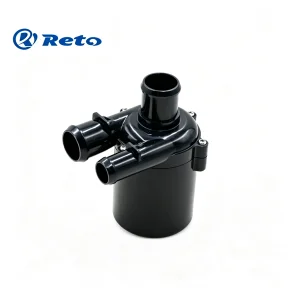
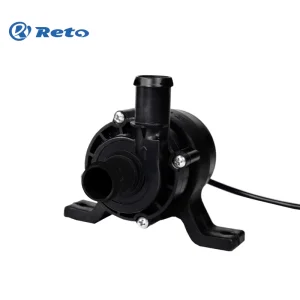
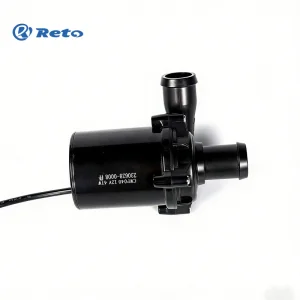
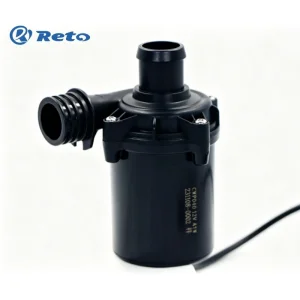
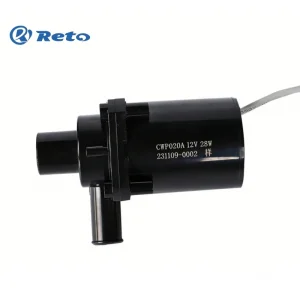
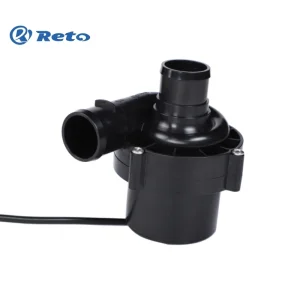
High-efficiency DC brushless pumps precision-engineered for instant water heaters, smart bidet toilets, and solar thermal pressurization systems.
An in-depth analysis of supply chain integration, technological clustering, scale economies, and precision manufacturing capabilities in Chinese industrial hubs.
The global demand for high-performance domestic hot water (DHW) systems, instant gas tankless heaters, heat pump water heaters (HPWH), and smart sanitary equipment has undergone a structural transformation. At the center of this evolution is the Hot Water Heater Booster Pump—the critical fluid dynamic component responsible for overcoming line resistance, stabilizing hydraulic pressure, and preventing thermal volatility. Today, tier-one global HVAC OEMs and sanitaryware brands source over 75% of their micro-booster and brushless DC (BLDC) pump units from specialized manufacturing clusters in China, notably located in Fujian (Xiamen) and Zhejiang provinces.
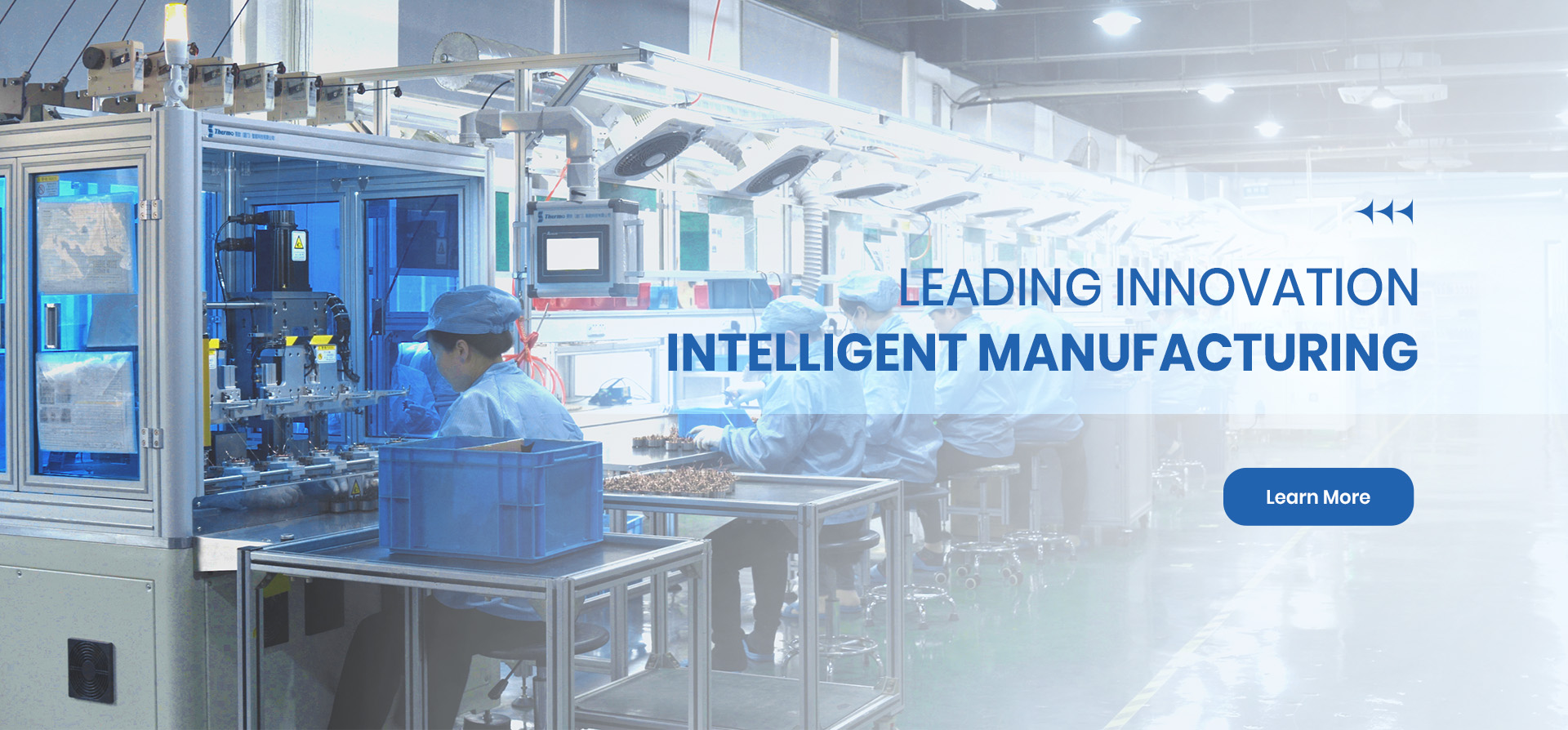
China's fluid machinery ecosystems cluster rare-earth permanent magnet suppliers (NdFeB), high-precision ceramic shaft machining plants, and automated SMT electronics facilities within a 50-kilometer radius. This geographic concentration drastically reduces engineering lead times and prototype iteration cycles.
Transitioning from legacy AC induction pumps to electronically commutated Brushless DC (BLDC) motors has allowed Chinese factories to achieve up to 90% motor efficiency, eliminating thermal degradation of line water while offering variable speed PWM control.
Leading Chinese booster pump suppliers operate under automotive-grade quality standards (IATF 16949 & ISO 9001). Complete traceability, 100% automated end-of-line acoustic spectrum testing, and hydrostatic burst pressure testing ensure zero-defect global shipments.
Quantitative comparison highlighting hydraulic head, acoustic emission, power consumption, and thermal endurance parameters.
To assist global procurement directors and R&D engineers in evaluating supplier capabilities, the matrix below outlines the critical engineering differences between traditional wet-rotor AC booster pumps and modern Chinese BLDC (Brushless DC) hot water booster pumps:
| Performance Parameter | Traditional AC Wet-Rotor Pump | China 24V/12V BLDC Booster Pump | Engineering Advantage |
|---|---|---|---|
| Motor Efficiency (%) | 25% – 40% | 75% – 88% | Lower thermal footprint; eliminates heat transfer to cold water loops. |
| Operating Voltage Safety | 110V / 220V High Voltage AC | 12V / 24V / 48V Low Voltage DC | Complete protection against electric shock in wet bathroom environments. |
| Acoustic Noise Level | 48 dB(A) – 58 dB(A) | < 35 dB(A) – 42 dB(A) | Whisper-quiet operation suitable for indoor residential installation. |
| Speed Control & Intelligence | Fixed 3-Speed Manual Switch | PWM / 0-10V / Feedback Signal | Modulating flow matching precise heat exchanger duty requirements. |
| Bearing & Shaft Material | Carbon Graphite / Stainless Steel | Zirconia Ceramic / Silicon Carbide | Zero wear, anti-scaling in hard water conditions; 15,000+ hr service life. |
| Fluid Temp Resistance | Up to 70°C | Up to 100°C Continuous (Food Grade) | Polypropylene Sulfide (PPS) housings resist boiling temperature surges. |

How specialized Chinese booster pumps solve low-pressure, acoustic, and thermal challenges across diverse market segments.
Instantaneous gas heaters require a minimum activation flow rate (typically 2.0–2.5 L/min). In high-rise apartments with low municipal water head, Chinese inline booster pumps provide instantaneous pressure boosts up to 1.2 bar, guaranteeing burner ignition without water pressure drop.
Rooftop solar collector loops experience high static heads and extreme fluid temperatures. Closed-loop BLDC circulation pumps equipped with high-temperature PPE/PPS pump chambers and isolated magnetic drivers prevent vapor lock and sustain 100°C fluid loops effortlessly.
Tankless smart toilets demand compact DC pumps capable of delivering instantaneous warm water spray while simultaneously powering rim-flushing nozzles. 12V/24V micro centrifugal pumps integrate silent soft-start motors to ensure zero disturbance during night usage.
To combat water waste caused by waiting for hot water, zero-second hot water return loops utilize smart BLDC pumps with embedded temperature sensors. The pump automatically cycles when pipe water temperature drops below the setpoint (e.g., 38°C).
How top-tier suppliers resolve structural challenges through hydraulic modeling, material selection, and custom electronic control firmware.
Building a commercial-grade hot water booster pump requires overcoming complex fluid dynamic and physical phenomena: anti-cavitation, acoustic dampening, food-grade compliance, and voltage fluctuation resiliency. Chinese factories have pioneered standard engineering protocols to address these OEM constraints:
By applying Computational Fluid Dynamics (CFD) to impeller blade curvature and volute geometry design, Chinese engineering teams maximize hydraulic efficiency while reducing turbulent vortex formation, effectively eliminating cavitation noise.
Because hot water booster pumps handle potable drinking and bathing water, all wet-end materials (impellers, O-rings, housings) are formulated using WRAS, FDA, NSF-61, and RoHS compliant engineering polymers (e.g., FDA-grade EPDM, PPO, stainless 316 shafts).
Internal microcontrollers are pre-programmed with dry-run protection, stalled-rotor detection, over-voltage/over-current limits, and automatic reverse de-blocking sequences to ensure maintenance-free longevity in harsh field conditions.
A strategic audit guide for international buyers to minimize supply chain risk and ensure compliance.
When selecting a Chinese manufacturer for hot water heater booster pumps, international procurement managers should conduct rigorous duediligence based on four core operational pillars:
Verify whether the factory holds valid ISO 9001:2015 and IATF 16949 certifications. Automotive-grade certification ensures strict statistical process control (SPC), Failure Mode and Effects Analysis (FMEA), and Advanced Product Quality Planning (APQP).
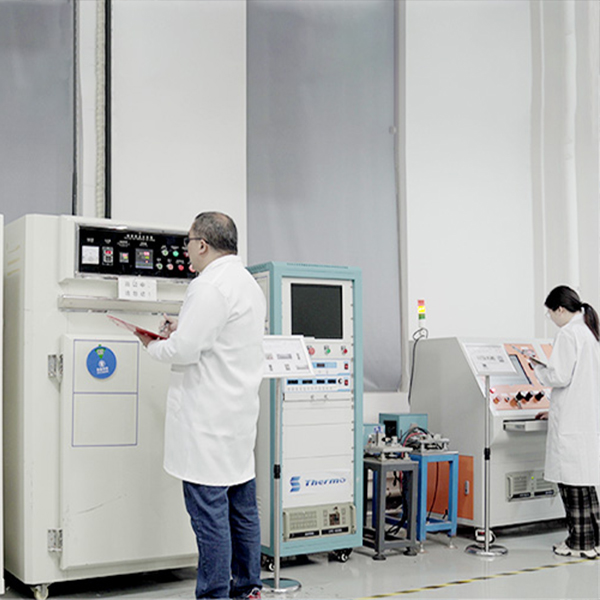
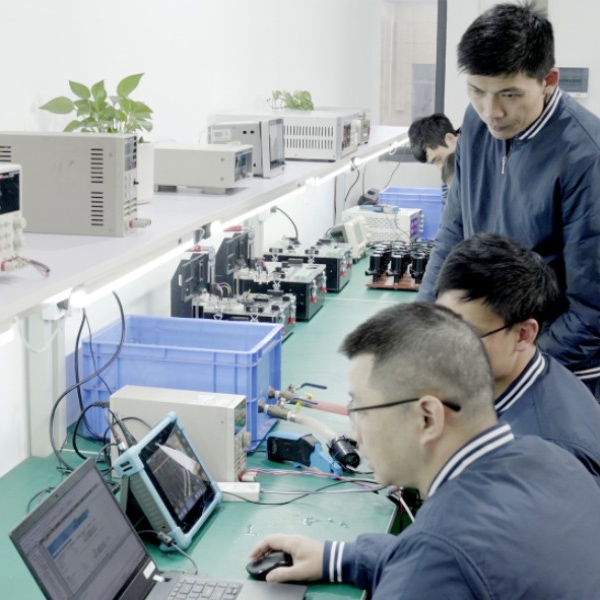
Inquire about in-house laboratory equipment. Capable suppliers must maintain continuous lifecycle testing rigs (10,000+ hours under 85°C fluid), thermal shock chambers (-40°C to 125°C), acoustic noise test chambers, and salt spray corrosion testers.
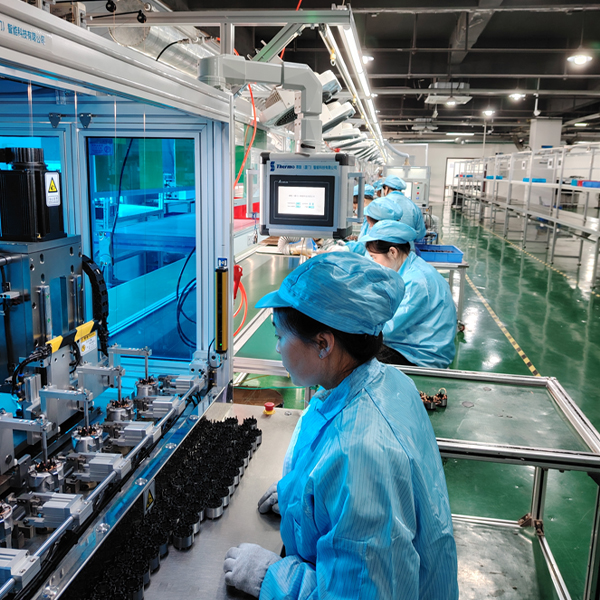
Evaluate annual capacity and automation levels. Suppliers with automatic SMT PCB assembly lines, robotic winding machines, and automated potting operations offer significantly higher batch consistency and lower defect rates (PPM < 50).
Ensure products hold international safety and electromagnetic compatibility (EMC) marks, including CE, TÜV, RoHS, REACH, and UL listings required for immediate entry into North American and EU markets.
Direct answers to key technical, operational, and commercial questions asked by international buyers.
Explore our full line of micro DC submersible, inline centrifugal, and high-flow pressure booster pumps for industrial and OEM applications.