Explore our engineering-grade 12V/24V DC inline booster pumps specifically optimized for smart sanitaryware, solar circulation, micro-booster systems, and high-reliability OEM fluid circuits.
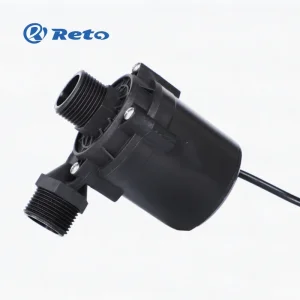
China 24V DC External Pump to Boost Water Pressure Factories, Factory
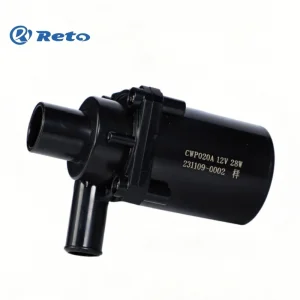
Custom 12V High Pressure Electric Solar Water Pump Supplier, Factory
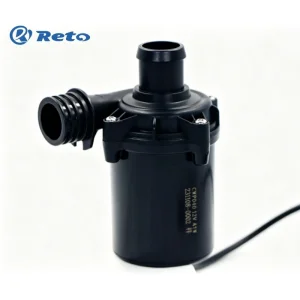
Custom 12V Small Water pump For Smart Toilet Manufacturer, Factory
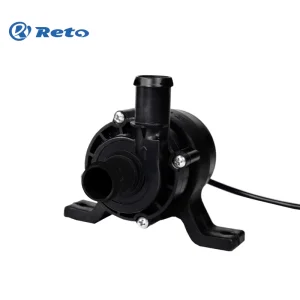
China Small DC Booster Water Submersible Pump Manufacturer, Factory
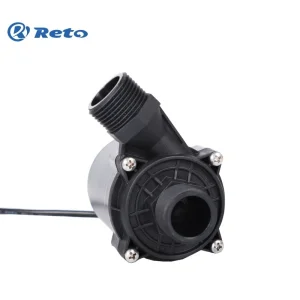
Custom 24V Pressure Pump for Smart Toilet Flushing Suppliers, Factory
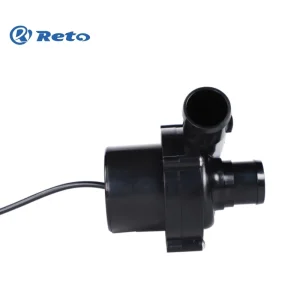
China DC Energy-Saving Circulating Pump for Sanitary Ware Supplier, Manufacturer
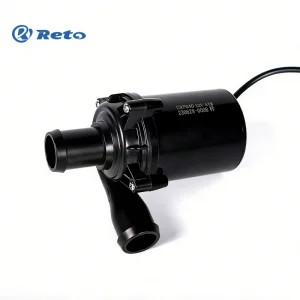
China 12V Smart Toilet Water Pressure Pump Factories, Factory
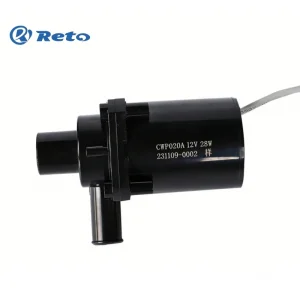
China 12V High Flow Pump for Smart Toilet Manufacturers, Factory
A rigorous examination of fluid dynamics, canned motor magnetic isolation, and low-voltage energy conversion for modern smart appliances and industrial fluid loops.
Unlike traditional shaft-sealed pumps prone to mechanical wear and fluid leakage, custom inline pressure booster pumps manufactured by Xiamen Reto Electric utilize static ceramic/ferrite canned motor enclosures. The magnetic coupling completely isolates the stator windings from the pumped media, guaranteeing zero dynamic seal leakage and extending MTBF beyond 30,000 continuous operating hours.
Microprocessor-driven Brushless DC (BLDC) technology utilizes Field-Oriented Control (FOC) or sinusoidal electronic commutation. This eliminates carbon brush friction, decreases electrical noise, yields up to 85% motor efficiency, and allows smooth speed regulation via 0-10V or PWM signal inputs, perfectly matching dynamic pressure demand in smart bidets and tankless water heaters.
By employing 3D Computational Fluid Dynamics (CFD) simulation for closed impeller design, inline booster pumps optimize pressure-head-to-flow ratios while minimizing fluid turbulence. Acoustic damping chambers reduce operational acoustic emission to below 45 dB(A), meeting stringent residential and luxury hotel indoor quiet standards.
| Technical Benchmark Parameter | Traditional AC Inline Booster Pump | Brushed DC Inline Pump | RETO Advanced BLDC Inline Booster Pump |
|---|---|---|---|
| Motor Efficiency (%) | 35% – 50% (High heat loss) | 50% – 60% (Friction losses) | 75% – 85% (High efficiency BLDC) |
| Operational Lifespan (MTBF) | 5,000 – 10,000 Hours | 1,500 – 3,000 Hours (Brush wear) | 25,000 – 35,000+ Hours |
| Acoustic Noise Level | 55 – 65 dB(A) | 50 – 60 dB(A) | < 38 – 45 dB(A) (Whisper quiet) |
| Seal Mechanism | Dynamic Mechanical Seal (Risk of leakage) | Dynamic Lip Seal | Static Canned Magnetic Isolation (Zero leak) |
| Control Modulation | On/Off Only (Fixed speed) | Voltage drop control (Inaccurate) | Precision PWM / 0-10V / CAN-Bus Speed Control |
| Operating Safety Voltage | 110V / 230V High Voltage | 12V / 24V Low Voltage | 12V / 24V DC SELV (Safety Extra Low Voltage) |
From industrial clusters in Fujian to automated SMT board lines, China's advanced manufacturing infrastructure offers unmatched scalability, cost efficiency, and technical depth for inline pressure booster pumps.
Chinese pump manufacturing ecosystems integrate copper wire drawing, injection molding of food-grade PPS/PPO engineering plastics, automated stator coil winding, PCB assembly, and robotic potted epoxy sealing under one localized industrial zone. This vertical integration reduces component lead times by up to 60% compared to fragmented global supply chains.
Leading suppliers like Xiamen Reto Electric maintain in-house toolmaking departments capable of designing custom hydraulic impellers, mounting brackets, and manifold connections. OEM buyers benefit from rapid 7-day CAD prototyping, fast-track 3D sample printing, and mold production turnaround within 25 days.
By adhering strictly to IATF 16949 and ISO 9001 quality management systems, Chinese factories implement rigorous online automated optical inspection (AOI), dynamic rotor balancing, 100% full-load flow testing, and pressure burst testing to ensure zero-defect delivery for international brand portfolios.
As global regulations enforce strict energy efficiency standards and smart home adoption accelerates, the inline pump industry is undergoing fundamental technological transformations.
Future inline pressure booster pumps integrate embedded microcontrollers capable of communicating over LIN, CAN-bus, or RS485 Modbus protocols. Real-time feedback on water flow rate, temperature, fluid pressure, and dry-run detection enables predictive maintenance in smart homes and commercial HVAC facilities.
With growing demand for solar hot water booster systems and portable micro-grid bidets, 12V DC and 24V DC inline pumps are designed to operate direct-drive off solar PV panels or battery storage, tolerating broad input voltage variations (9V–30V DC) without thermal degradation.
Global standards such as NSF/ANSI 61, FDA, and WRAS require inline booster pumps to use non-toxic, heavy-metal-free materials. Advanced PPS (Polyphenylene Sulfide) housings, EPDM seals, and high-purity ceramic shafts eliminate leachable contaminants in drinking water purifiers and coffee machines.
Modern luxury bidets and indoor water recirculation systems are increasingly installed adjacent to sleeping quarters. Advanced rotor balance optimization, magnetic flux shaping, and rubber mounting dampers ensure near-silent operation (< 38 dB), resolving consumer noise complaints completely.
Custom inline pressure booster pumps serve as critical fluid movement engines across smart home appliances, electric vehicle thermal systems, and precision commercial equipment.
Low municipal water pressure often impairs smart toilet flushing mechanisms. Dedicated 12V/24V inline booster pumps supply strong instantaneous dynamic pressure (up to 0.25–0.45 MPa) and high flow rate during flush cycles, ensuring complete bowl clearance without requiring cumbersome tank gravity heads.
Installed directly into cold water inlets or solar loop plumbing, high-temperature resistant BLDC booster pumps (capable of handling up to 100°C fluids) eliminate temperature fluctuations during showering by maintaining uniform hydrostatic pressure across mixing valves.
Brushless DC inline pumps circulate liquid coolant (water-glycol mixtures) through EV battery packs, power electronics, laser engravers, and industrial chillers. Their high head pressure overcomes narrow cooling channel hydraulic resistance with continuous IP68 waterproof submersible reliability.
RO filtration membranes require constant high pressure to separate dissolved solids from potable water. Compact 24V DC booster pumps provide smooth non-pulsating hydraulic delivery, maximizing permeate recovery while operating silently under domestic sink cabinets.
Silent hydraulic circulation is paramount for consumer sleep quality. High-efficiency micro inline pumps circulate warm water continuously through bedding capillary networks, maintaining uniform thermal distribution at near 0 dB perceived noise.
Automated espresso machines, beer dispensing taps, and commercial ice makers demand precise micro-dose fluid displacement. Food-grade BLDC pumps withstand frequent start-stop cycles while resisting mineral scale accumulation.
How Xiamen Reto Electric transforms initial application concepts into mass-produced, validated inline booster pump assemblies for world-class enterprises.
Engineers analyze flow-vs-head requirements (Q-H curves), system backpressure, liquid media chemical composition, operating temperature envelope, and physical installation envelope. CFD software optimizes internal scroll geometry to prevent cavitation.
Custom PCB drive boards are engineered to accept specific control interfaces (PWM frequency, 0-10V analog voltage, or direct switch control). Firmware soft-start profiles prevent water hammer pressure spikes in fragile domestic piping.
Prototypes undergo thermal shock testing (-40°C to +125°C), continuous high-pressure burst verification (up to 2.5 MPa), saltwater spray corrosion testing, and 10,000-cycle start-stop durability validation before mass tooling release.
When selecting a custom inline pressure booster pump manufacturer, strategic procurement officers evaluate critical benchmarks to mitigate supply chain risks and ensure regulatory compliance.
Ensure your factory supplier holds verified global certifications. Xiamen Reto Electric operates under ISO 9001 and automotive IATF 16949 standards, with products certified by TÜV, CE, RoHS, and REACH—enabling seamless export to European, North American, and Asian markets.
Look for automated production facilities with annual capacity exceeding 2 million units. Automated stator winding and robot epoxy potting ensure rapid scaling, consistent lead times, and capacity buffer during peak seasonal purchasing cycles.
Evaluate the supplier's patent portfolio and engineering team depth. With over 50 proprietary patents and an R&D team averaging 10+ years of experience, RETO delivers proven technical depth to protect your custom product IP.
Xiamen Reto Electric Appliances Co., Ltd. is a certified National High-Tech Enterprise, Gazelle Enterprise, and SRDI-certified innovator specializing in the design and production of high-efficiency brushless DC (BLDC) water pump systems. Serving over 600 global OEM clients in more than 100 countries, RETO is recognized for engineering excellence in smart toilet pumps, EV cooling pumps, home appliance circulation systems, and industrial fluid modules.
Deep-dive answers to common engineering, procurement, and installation questions regarding custom inline pressure booster pumps.
An inline pressure booster pump is designed with straight-through inlet and outlet ports aligned along a single hydraulic axis, allowing it to be plumbed directly into continuous pipework without altering pipe direction. While submersible pumps require total fluid immersion inside a reservoir, inline pumps operate externally in dry environments or enclosed appliance housings. Advanced BLDC inline booster pumps feature IP68 canned motor construction, meaning they can function safely even if unexpected flooding or condensation occurs.
Safety Extra Low Voltage (SELV) standards strictly govern sanitaryware fixtures where water and electricity are in close proximity to human users. 12V DC and 24V DC operating voltages eliminate electrocution hazards completely. Furthermore, BLDC motors allow instantaneous pulse-width modulation (PWM) speed tuning, enabling smart toilet bidets to adjust flushing pressure on-demand while consuming 60% less electrical power than traditional AC induction motors.
In a canned magnetic drive pump, the rotating dynamic shaft seal found in conventional pumps is completely replaced by a static isolation wall (can) made of non-magnetic engineering plastic or stainless steel. The motor stator's rotating magnetic field passes through this isolation barrier to drive the internal magnetic rotor and impeller assembly. Because the fluid chamber is entirely sealed by static O-rings, fluid leakage is physically impossible, protecting sensitive electronic controllers inside OEM appliances.
Xiamen Reto Electric provides comprehensive ODM/OEM engineering options: custom voltage ratings (6V to 48V DC), tailored flow-vs-head hydraulic curves, variable inlet/outlet barb or thread fitting geometries, food-grade materials (FDA/NSF standard compliant), customized wire harness lengths and connectors, integrated temperature sensors, and customized PCB communication firmware (PWM speed control, FG tachometer signal output, dry-run protection).
Acoustic noise reduction is achieved through four key design elements: (1) Dynamic rotor balancing to eliminate vibration unbalance; (2) Sinusoidal electronic commutation in FOC BLDC drivers to eliminate magnetic cogging torque noise; (3) Precision ceramic shaft sleeve bearings that operate on a micro-thin water film lubrication layer; and (4) Optimized 3D hydraulic volute geometry that prevents turbulent cavitation noise.
Yes. By utilizing high-grade Polyphenylene Sulfide (PPS) pump housings, ceramic shafts, Fluororubber (FKM) or EPDM static seals, and high-temperature magnetic materials (NdFeB with high Hcj ratings), specialized RETO inline pumps operate reliably in fluid temperatures ranging from 0°C up to +100°C continuously, making them ideal for water heaters, solar thermal loops, and commercial hot drink dispensers.
Modern BLDC electronic drivers monitor current draw and rotor back-EMF feedback in real time. When fluid supply is interrupted and air enters the pump chamber, motor load drops dramatically. The PCB controller detects this anomaly within milliseconds and automatically shuts down or reduces motor speed to prevent thermal damage to ceramic bearings and shaft sleeves. The pump will perform periodic restart attempts until fluid presence is restored.
Every batch of inline booster pumps undergoes strict IATF 16949 quality procedures: 100% automated optical inspection of SMT driver circuit boards, 100% high-voltage dielectric insulation testing, 100% helium mass spectrometer leakage testing, and 100% full-load hydraulic benchmark testing measuring flow rate, head pressure, current draw, and acoustic noise.
Browse our complete high-flow, high-pressure 12V & 24V DC inline booster pumps engineered for global system integration and micro-fluidic applications.
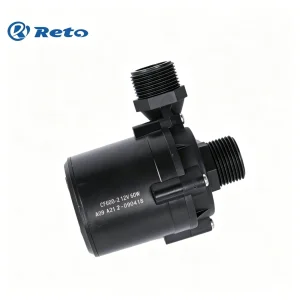
China 12V Inline Centrifugal Water Booster Pump Manufacturer, Factory
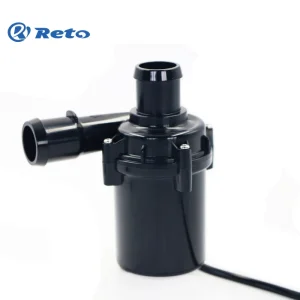
China 12V DC Small Water Booster Pump For Smart Toilet Supplier, Manufacturers
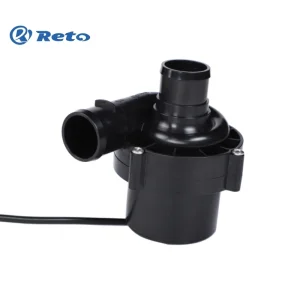
Custom 12V DC High Water Flow Booster Pump Manufacturer, Factories
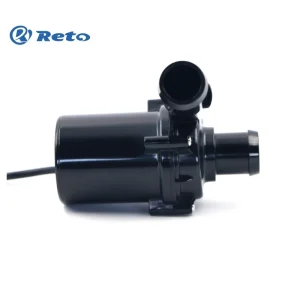
Custom 12V potable water booster pump Pump For Smart Toilet Manufacturer, Factory
Custom 12V High Flow Pressure Pump for Smart Toilet Suppliers, Manufacturers
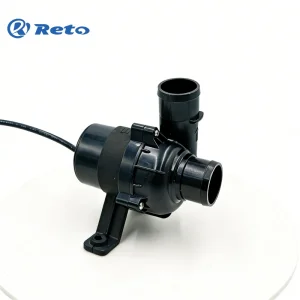
China Mini Micro DC Submersible Water Pump Manufacturers, Manufacturer
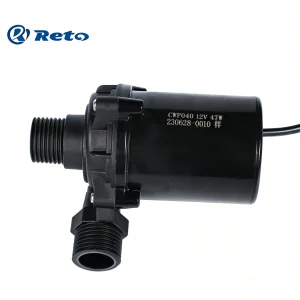
Custom 12V Compact Pressure Pump for Bidet Toilet Supplier, Manufacturers
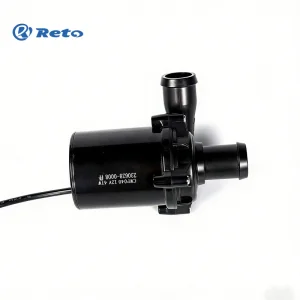
Custom 12V micro dc water pump for Smart Toilet Supplier, Suppliers