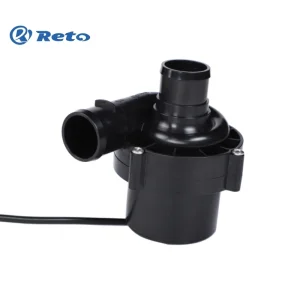
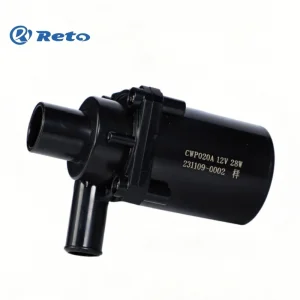
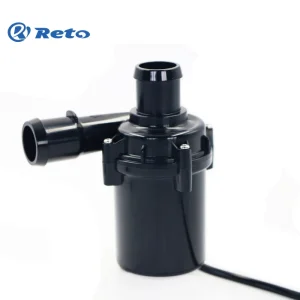
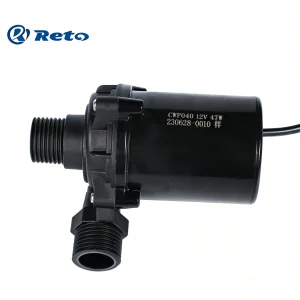
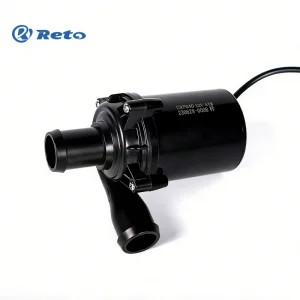
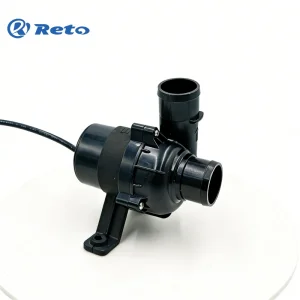
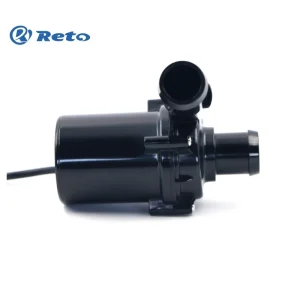
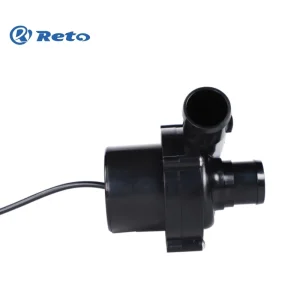
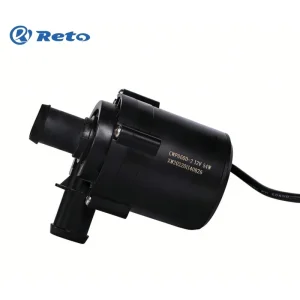
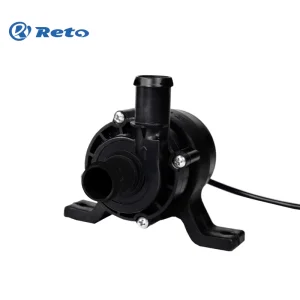
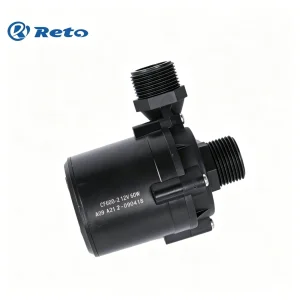
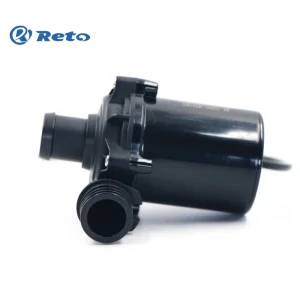
Engineered for quiet operation, ultra-low power consumption, long life cycle (20,000+ Hours), and custom voltage/flow configurations.
The global fluid dynamics sector is undergoing a profound technological transformation driven by electrification, miniaturization, and green energy mandates. At the forefront of this evolution is the global transition from traditional AC induction and brushed DC pumps toward advanced Brushless DC (BLDC) mini submersible pumps. Modern automated commercial systems, intelligent sanitary devices, electric vehicle (EV) thermal management circuits, and precision medical cooling systems require fluid transfer systems that deliver high efficiency, dynamic pressure control, compact form factors, and zero maintenance overhead.
According to industrial thermal management benchmarks, the worldwide demand for miniature submersible and booster pumps is growing at a compound annual growth rate (CAGR) of 8.4%. Industrial buyers and original equipment manufacturers (OEMs) no longer evaluate pump suppliers solely based on unit price; instead, procurement decisions are dictated by structural reliability, compliance with food-grade standards (FDA, NSF, REACH, RoHS), electronic protective capabilities (PWM control, dry-run protection), and total cost of ownership (TCO).
As smart home automation expands alongside clean energy applications, the role of specialized custom mini submersible pump manufacturers has become vital. Facilities capable of bridging the gap between electronic motor design, fluid dynamics simulation, and automated mass assembly are capturing global market share by delivering tailored hydraulic solutions for complex operating environments.
Understanding wet-rotor seal-less design, magnetic coupling, advanced ceramics, and smart electronic drive integration.
Eliminates dynamic shaft seals entirely. The permanent magnet rotor is isolated within a static containment shell filled with liquid, completely preventing fluid leakage into internal stator windings.
Utilizes ultra-smooth, high-precision zirconia ceramic shafts and graphite bushings. Minimizes friction coefficients, offers extreme chemical resistance, and prevents scale buildup in hot water loops.
Field-Oriented Control (FOC) algorithms smooth out magnetic field commutation torque ripples, delivering whisper-quiet operational performance suited for indoor residential appliances.
Full epoxy resin vacuum potting guarantees IP68 waterproof ratings. Protects sensitive electronics from vibration, thermal shock (-40°C to +105°C), and liquid ingress under prolonged pressure.
Supports Pulse Width Modulation (PWM) and 0-5V analog signal control. Enables host microcontrollers to dynamically scale flow rate and head according to realtime system demand.
Features built-in dry-run protection, locked-rotor shutdown, over-current cutoff, reverse polarity protection, and thermal shutdown to ensure fail-safe system operation.
The table below details typical performance ranges offered by custom mini submersible pump factories for global OEM integration:
| Specification Criterion | Standard Commercial Range | Custom Heavy-Duty OEM Grade | Primary Application Impact |
|---|---|---|---|
| Operating Voltage | 12V DC / 24V DC | 3V DC – 48V DC / 110V-220V AC (Driver integrated) | Ensures compliance with global power supply architectures. |
| Flow Rate Range | 1.5 L/min – 12.0 L/min | Up to 35.0 L/min (Custom impeller geometry) | Dictates fluid turnover speed and thermal dissipation efficiency. |
| Static Head (Lift) | 1.5 Meters – 6.0 Meters | Up to 15.0 Meters (High pressure boosting) | Overcomes hydraulic system friction head loss in piping. |
| Noise Envelope | ≤ 45 dB(A) at 1m | ≤ 28 - 32 dB(A) (FOC Sine-Wave driving) | Critical for bedroom appliances (smart toilets, mattresses). |
| Fluid Temperature Range | 0°C to +60°C | -40°C to +105°C (Special PPS / EPDM seals) | Required for EV coolant loops & water heating systems. |
| Submersible Rating | IP68 (Continuous submersion) | IP68 / Hermetically Sealed Vacuum Potting | Prevents electrical breakdown during long-term liquid immersion. |
Custom micro submersible pumps are not generic commodities; they are tailored components designed to solve domain-specific hydraulic challenges. Below are the primary global industries utilizing customized BLDC pump units:
Modern smart toilets demand consistent, high-pressure water delivery for instant flushing and warm-water cleansing, regardless of municipal water pipe pressure fluctuations. Micro DC booster pumps integrated directly into the toilet internal housing must deliver rapid pressure response (<0.5 seconds) while maintaining sound levels below 35 dB(A) to avoid disturbing households during night-time operation. Customizations include integrated check valves, NSF-compliant food-grade internal materials, and custom mounting brackets with anti-vibration rubber dampeners.
In electric vehicles and battery energy storage systems (BESS), maintaining precise operating temperature windows is critical to preventing thermal runaway and ensuring battery longevity. Custom 12V and 24V BLDC coolant pumps continuously circulate glycol water mixtures through cooling cold plates. These units require automotive IATF 16949 production compliance, high ambient temperature tolerance (-40°C to +105°C), high electromagnetic compatibility (EMC compliance preventing interference with vehicle CAN buses), and real-time diagnostic signal outputs.
High-efficiency water purification appliances rely on compact booster pumps to push water through semi-permeable membranes. Key custom requirements include non-toxic, lead-free materials (ROHS/REACH certified), resistance to bio-fouling, high continuous pressure rating without heat buildup, and quick-connect push-in fittings for simplified OEM assembly.
In medical patient temperature management units and luxury home thermal sleep systems, silent fluid circulation is paramount. Small DC circulating pumps operate continuously alongside bed units. OEM customization focuses heavily on acoustic dampening, zero electromagnetic interference (EMI), ultra-low power consumption (<10 Watts), and anti-clogging open impellers.
China has established itself as the undisputed global epicenter for brushless DC motor design, precision mold injection, and automated pump manufacturing. The industrial cluster in Fujian and Guangdong provinces provides global buyers with unmatched competitive advantages across speed, quality control, cost optimization, and technological iteration.
Leading Chinese factories maintain complete in-house capabilities: automated copper wire winding, precision plastic injection molding, SMT PCB surface mounting, automated epoxy resin potting, and 100% computerized hydraulic testing.
Advanced 3D flow simulation software coupled with internal toolmaking shops allows engineering teams to transform custom OEM concepts into functional 3D prototypes within 7 to 14 days.
Certified under ISO9001 and IATF 16949 quality frameworks. Every produced pump undergoes automated end-of-line (EOL) testing evaluating H-Q performance curves, electrical insulation resistance, and noise levels.
By leveraging robust supply chains for rare-earth NdFeB permanent magnets, engineered polymers (PPS, PPO), and high-density copper wiring, Chinese pump factories deliver superior performance-to-cost ratios without sacrificing material purity or long-term product stability.
When requesting proposals from custom mini submersible pump manufacturers, international procurement managers and lead engineers should follow a structured evaluation framework to ensure seamless component integration:
Expert answers addressing critical technical questions from industrial buyers and product design engineers.
Brushed DC pumps rely on physical mechanical carbon brushes to commutate the motor, which creates friction, electrical noise, thermal stress, and wear debris. This limits their operational lifespan to approximately 1,500 to 3,000 hours. In contrast, Brushless DC (BLDC) pumps utilize electronic circuit boards and Hall sensors (or sensorless drivers) to switch the magnetic field without physical contact. BLDC pumps achieve operational lifespans exceeding 20,000 to 30,000 hours, operate with significantly lower acoustic noise, generate less heat, and carry an IP68 submersible waterproof rating.
Standard wet-rotor submersible pumps rely on the fluid being pumped to lubricate the ceramic shaft and graphite bearings while carrying away motor heat. Running un-customized pumps dry causes rapid thermal buildup and shaft damage. However, specialized custom mini submersible pump manufacturers can program microcontrollers with intelligent "Dry-Run Protection" logic. If the sensor detects zero fluid load, the circuit cuts power automatically, waits for a designated interval, and attempts a soft re-start—preventing hardware failure.
For general commercial and consumer appliance integration, ensure the manufacturing facility holds ISO 9001 quality management standards and CE, RoHS, and REACH product compliance. If the pumps are used in potable drinking water or sanitary equipment (smart bidets, water purifiers), verify food-grade material compliance (FDA, NSF, or LFGB standards). For automotive or electric vehicle thermal management projects, the factory must be certified under the rigorous IATF 16949 automotive quality standard.
Pulse Width Modulation (PWM) allows the primary master controller of an appliance (such as a smart toilet controller or HVAC driver board) to adjust pump motor speed dynamically by altering duty cycles. This allows real-time modulation of water pressure and flow volume according to user selection, saves operational power during low-demand phases, and minimizes mechanical wear by eliminating abrupt start-stop power spikes.
Standard modifications (custom cable lengths, connector types, specialized rubber mounting brackets, customized firmware) typically carry low Minimum Order Quantities (MOQs starting around 500–1,000 units) with 1 to 2-week turnarounds. Full custom housing development, requiring custom plastic injection molds and bespoke PCB layouts, typically requires 3 to 5 weeks for tooling fabrication, sample evaluation, and initial pilot production runs.
Explore specialized DC circulating solutions for smart toilets, sanitary ware, water heaters, and industrial equipment.